German City Invests Over €300 Million in Sewer System Overhaul
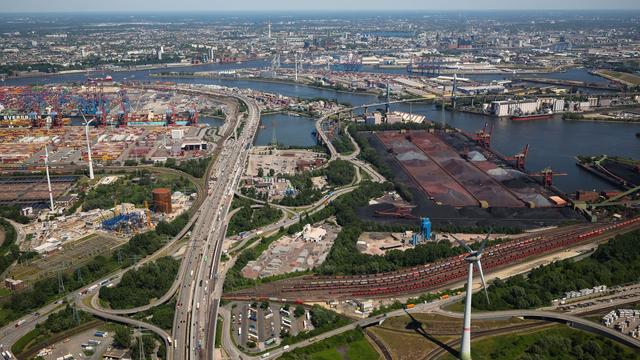
A German city is making a significant investment of over 300 million euros to renovate its sewer system. This extensive project aims to modernize and repair the aging infrastructure, ensuring its long-term functionality and environmental compliance. The substantial funding underscores the critical importance of maintaining and upgrading essential public utilities.
The investment will cover various aspects of the sewer system, including pipe replacement, structural repairs, and the implementation of advanced wastewater treatment technologies. These upgrades are expected to improve the efficiency of wastewater management and reduce the risk of system failures. The project is anticipated to take several years to complete, with phased implementation to minimize disruption to residents and businesses.
Officials highlighted that the financial commitment is necessary to address decades of wear and tear and to meet increasingly stringent environmental regulations. The city aims to enhance public health and protect local waterways through this comprehensive rehabilitation effort. The project also represents a considerable economic stimulus, creating jobs and supporting local construction industries during its execution.
This substantial municipal investment in essential infrastructure reflects a common challenge faced by many developed nations: the aging of critical public works built during periods of rapid urbanization. The allocation of over 300 million euros signals a recognition of the long-term economic and environmental costs associated with deferred maintenance. From a systems perspective, such large-scale rehabilitations are not merely about repair but about future-proofing against climate change impacts, population growth, and evolving regulatory landscapes. The funding mechanism and the multi-year timeline will be key factors in its success, potentially influencing municipal debt levels and the prioritization of other public services. This proactive approach, while costly upfront, aims to mitigate far greater expenses and risks associated with catastrophic system failure or environmental damage in the coming decades.
AI-generated to prompt reflection — not editorial opinion, not advice, not a statement of fact. How this works.