German Climate Neutrality Target May Shift to 2050
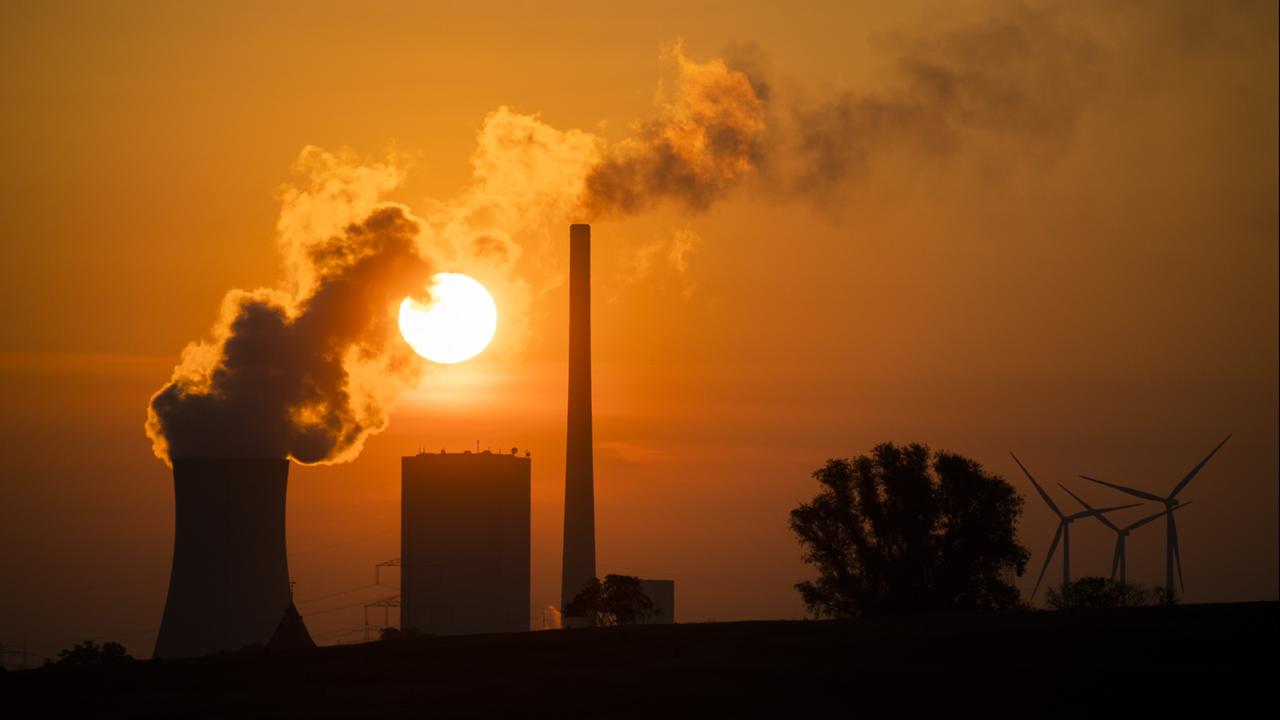
Leading figures from German business, trade unions, and politics are calling for an extension of the country's climate neutrality deadline. The current target is to achieve climate neutrality by 2045. However, these influential representatives are now advocating for Germany to adopt the European Union's target date of 2050. This proposed shift suggests a reevaluation of the feasibility and timeline for reaching ambitious climate goals within the German context. The call for more time indicates potential challenges in accelerating the transition to a climate-neutral economy by the original 2045 deadline. The specific reasons behind this demand, such as economic considerations or technological readiness, are not detailed in the provided text. This development signifies a potential adjustment in Germany's climate policy trajectory.
The push to align Germany's climate neutrality goal with the broader EU target of 2050, rather than the more ambitious 2045 national objective, reflects a common tension between aspirational policy and practical implementation. This recalibration may stem from an assessment of the economic and industrial capacity required for a faster transition, potentially seeking to avoid undue competitive disadvantages. Such adjustments highlight the complex interplay of national sovereignty, international cooperation, and the economic realities of decarbonization. The debate underscores the systemic challenge of balancing urgent climate action with the need for sustainable economic development and social acceptance, particularly as the global economy navigates the profound shifts brought by the AI era.
AI-generated to prompt reflection — not editorial opinion, not advice, not a statement of fact. How this works.