German Coach Criticized After England's World Cup Exit
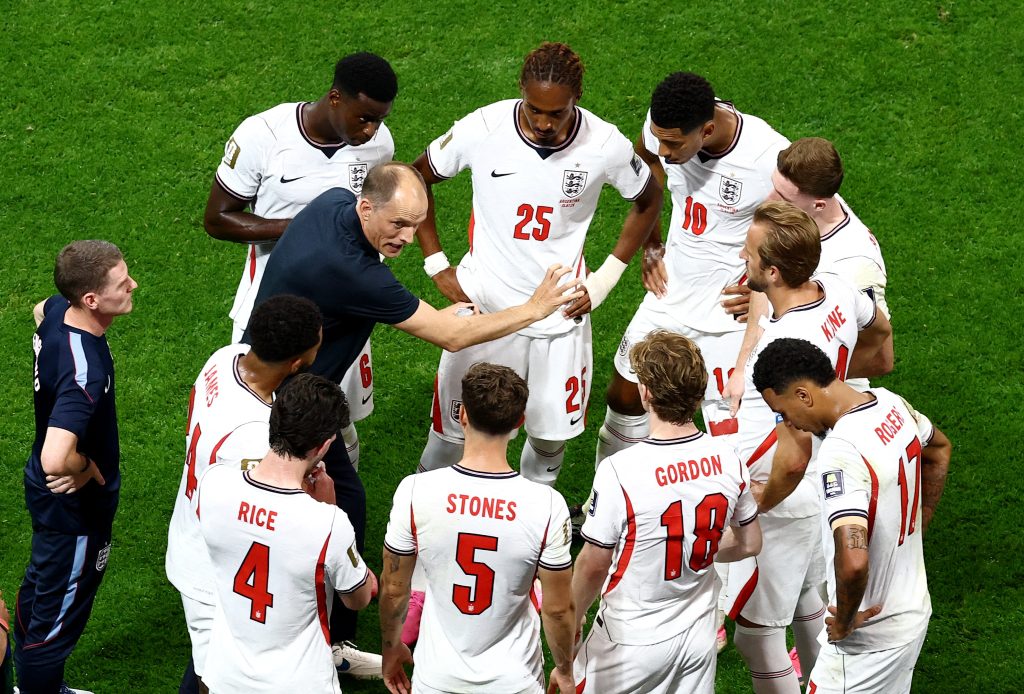
Following England's 2-1 defeat to Argentina in the second World Cup semi-final, former footballers, who have taken on the role of harsh commentators on English television and in newspapers, have broken their silence. After remaining quiet for an entire month, they have now voiced their strong opinions. The German coach has become the primary target of their criticism. These former players, who have years of experience in punditry, are known for their critical assessments. Their recent outburst comes after a period of observation following England's elimination from the tournament. The focus of their commentary has squarely landed on the German coach's performance and decisions leading up to and during the crucial match. The intensity of their criticism suggests a significant level of disappointment among the English footballing fraternity regarding the team's performance and subsequent exit from the World Cup.
The intense scrutiny of the German coach by former English players following the national team's World Cup semi-final loss highlights a recurring dynamic in sports commentary. This behavior often reflects a nationalistic fervor and a tendency to seek external scapegoats for disappointing results, rather than engaging in a dispassionate analysis of systemic performance factors. The pressure on coaches, particularly in high-stakes international tournaments, is immense. Future governance models in football might benefit from more structured, data-driven performance reviews that mitigate the influence of emotionally charged, post-event commentary. This approach could foster a more objective environment for player and coach development, aligning with the long-term evolution of athletic performance in an increasingly competitive global landscape.
AI-generated to prompt reflection — not editorial opinion, not advice, not a statement of fact. How this works.