German Coalition Agrees on Income Tax Relief Measures
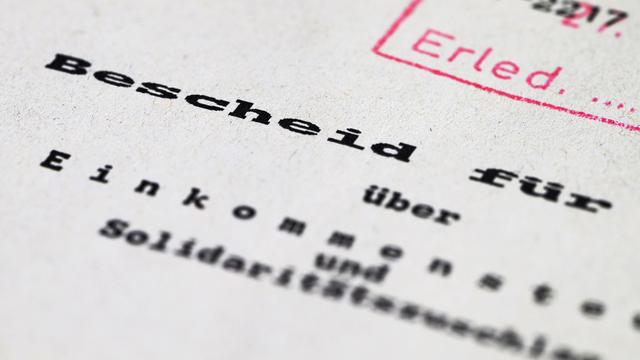
Germany's governing coalition has reached an agreement on reforms to the income tax system, which will include tax relief for citizens. The specifics of the reform package and the extent of the relief are expected to be detailed soon. This agreement marks a significant step in the coalition's legislative agenda, aiming to address economic pressures on households. The proposed changes are intended to provide financial breathing room for taxpayers, though the exact beneficiaries and the overall fiscal impact are yet to be fully disclosed. Further discussions are anticipated regarding the implementation timeline and the precise financial mechanisms. The coalition's decision reflects ongoing efforts to balance fiscal policy with social considerations. The details of the reform are crucial for understanding its potential effects on different income groups and the broader German economy. This development is a key outcome of recent coalition negotiations.
The German coalition's agreement on income tax relief signals a policy response to perceived economic pressures on households. Such measures, while potentially boosting consumer spending and addressing equity concerns, also carry fiscal implications that require careful management. The effectiveness of this reform will depend on its targeted impact, the sustainability of the associated revenue adjustments, and its alignment with long-term economic growth strategies. Evaluating the distributional consequences across various income brackets and the potential effects on labor supply and investment incentives will be critical in the coming years. The coalition's challenge lies in balancing immediate relief with the imperative of fiscal prudence and future economic competitiveness in an evolving global landscape.
AI-generated to prompt reflection — not editorial opinion, not advice, not a statement of fact. How this works.