German Coalition Agrees on Tax Relief and New Sick Leave Rules
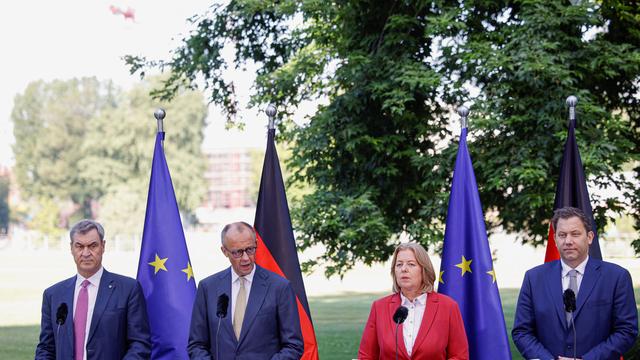
Germany's ruling coalition has agreed on a reform package that includes tax relief for lower and middle incomes and stricter regulations for employee sick leave. The coalition committee finalized the key points of this reform on Thursday. Chancellor Olaf Scholz, Vice Chancellor Robert Habeck, and CDU leader Friedrich Merz were among the key figures present at the discussions.
The package aims to provide financial relief to citizens, particularly those with smaller incomes, while simultaneously introducing new rules for reporting and verifying sick leave. The specifics of these new sick leave regulations are expected to be detailed further, but the intention is to address perceived abuses of the current system. Friedrich Merz expressed optimism that the measures would be well-received by the public, suggesting a political calculation behind the timing and content of the announcement.
The German coalition's decision to combine tax relief with stricter sick leave rules reflects a common governance challenge: balancing economic stimulus with fiscal responsibility and labor market efficiency. By offering tax breaks, the government aims to boost domestic consumption and support households facing inflation. Concurrently, the proposed changes to sick leave policies suggest an effort to manage public spending and ensure workforce availability, potentially driven by concerns over rising costs or productivity. This dual approach could be seen as an attempt to appeal to a broad electorate by addressing both financial pressures and perceived system inefficiencies. The long-term impact will depend on whether the tax relief effectively stimulates the economy without significantly increasing the deficit, and if the new sick leave regulations achieve their intended efficiency gains without unduly burdening employees or increasing administrative complexity.
AI-generated to prompt reflection — not editorial opinion, not advice, not a statement of fact. How this works.