German Coalition Parties Agree on Amendments to Controversial Heating Law
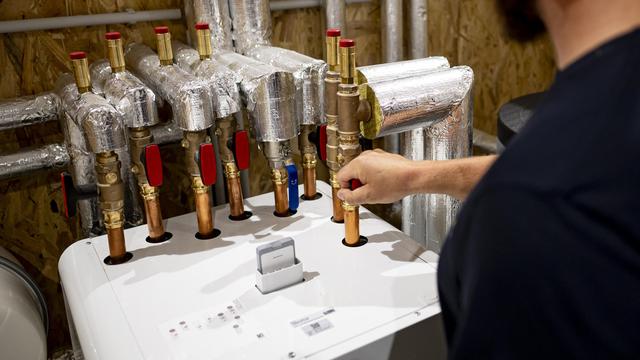
The parliamentary groups of the CDU/CSU (Union) and SPD parties in Germany have reached an agreement on proposed amendments to the government's draft of the new heating law. This legislation, often referred to as the "heating law," has been a subject of significant debate and public attention. The decision by the governing coalition parties to pass these amendments marks a crucial step in the legislative process. However, the potential for legal challenges remains a concern. A lawsuit could further delay the implementation of the new heating regulations. The exact details of the agreed-upon amendments have not yet been fully disclosed, but they are expected to address some of the contentious points that have arisen during the public discourse surrounding the bill. The government aims to pass the law to accelerate the transition to climate-neutral heating systems.
The German government's efforts to modernize building heating systems through new legislation reflect a broader European push towards decarbonization and energy independence. While the stated goal is environmental protection and climate neutrality, the legislative process highlights the inherent tension between ambitious policy objectives and the practicalities of implementation, including public acceptance and economic feasibility. The inclusion of amendments suggests a responsiveness to public and industry concerns, aiming to balance environmental targets with social and economic considerations. The potential for legal challenges underscores the complexity of such large-scale regulatory changes and the importance of robust legal frameworks. Looking ahead, the success of this law will depend not only on its final form but also on the availability and affordability of alternative heating technologies and the effectiveness of support mechanisms for homeowners and businesses navigating this transition.
AI-generated to prompt reflection — not editorial opinion, not advice, not a statement of fact. How this works.