German Coalition Plans to Boost Labor Market with Flexible Hiring and Firing
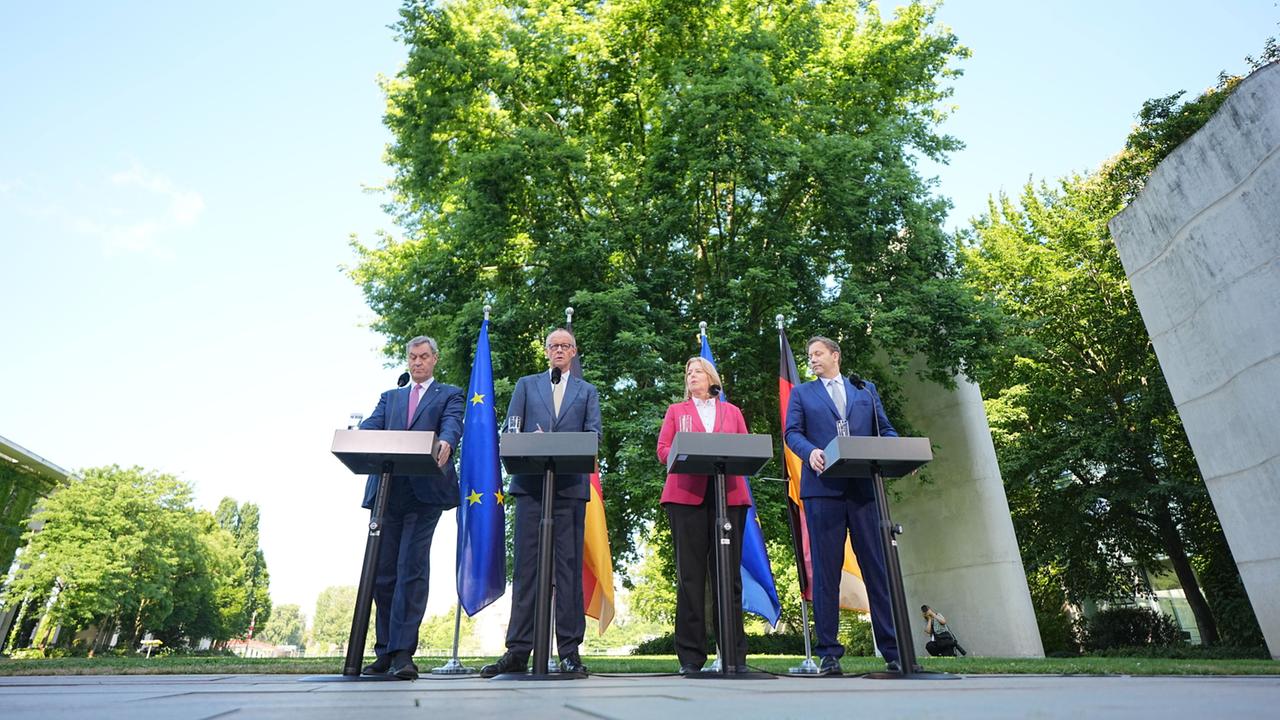
The German coalition government aims to inject more dynamism into the labor market by introducing greater flexibility for businesses. Key proposals include extending the permissible duration of fixed-term employment contracts and simplifying termination procedures for high-earning employees. The coalition believes these measures will help 'unshackle' the market, thereby stimulating economic activity. These changes are intended to make it easier for companies to adapt their workforce to changing economic conditions and business needs. However, a new law governing working hours is not expected to be introduced at the same time, suggesting a phased approach to labor market reforms. The government's objective is to create a more agile and responsive employment landscape. This initiative reflects a broader effort to modernize Germany's labor regulations and enhance its competitiveness. The coalition hopes these adjustments will encourage hiring and reduce unemployment by making businesses more willing to take on new staff.
The German coalition's proposed labor market reforms, focusing on increased flexibility through longer fixed-term contracts and easier dismissals for high earners, appear designed to address perceived rigidities in the current system. Such measures could potentially lower hiring costs and risks for employers, possibly leading to increased employment. However, this approach may also exacerbate job insecurity for workers, particularly those in precarious positions, and could widen income inequality. The delayed introduction of new working-time regulations suggests a strategic prioritization, perhaps to gauge the impact of the initial flexibility measures or to build consensus on more complex issues. Future analysis should consider the long-term effects on worker bargaining power, the potential for a two-tiered labor market, and how these changes align with broader societal goals of economic stability and social cohesion in the evolving digital economy.
AI-generated to prompt reflection — not editorial opinion, not advice, not a statement of fact. How this works.