German Commuters Face Disruption as RE1 Line Undergoes Major Renovation
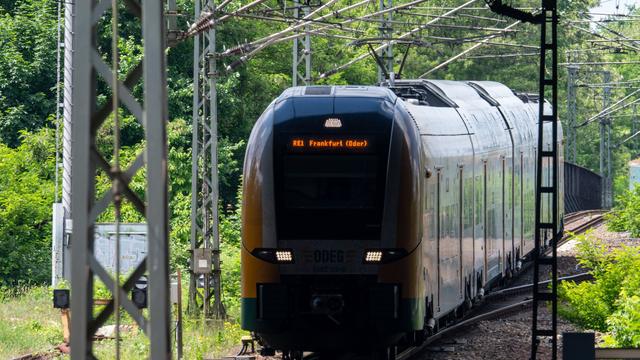
Municipalities in Germany are expressing concern for commuters as the RE1 railway line is set to undergo significant modernization and renovation. The extensive construction work is expected to cause considerable disruption to daily travel for a large number of passengers. Local authorities are worried about the impact on commuters who rely on the RE1 line for their daily journeys to work and other destinations. The specific details of the renovation project, including its duration and the exact nature of the disruptions, are causing anxiety among residents and officials alike. The modernization aims to improve the railway infrastructure, but the immediate consequences for commuters are a primary focus of local government attention. The RE1 line serves a vital corridor, and its temporary inaccessibility or reduced service will likely necessitate alternative travel arrangements for many. The concerns highlight the delicate balance between necessary infrastructure upgrades and the immediate needs of the traveling public. Further information regarding mitigation strategies and alternative transport options is anticipated as the project planning progresses.
The planned renovation of the RE1 railway line in Germany underscores a common tension between long-term infrastructure investment and the immediate needs of public transit users. While modernization is crucial for enhancing efficiency, safety, and capacity in the future, the temporary disruptions can disproportionately affect daily commuters, potentially impacting local economies and individual well-being. Municipalities' concerns reflect a need for robust communication and proactive planning from the railway authorities to minimize inconvenience. This situation highlights the importance of integrated transport planning, where infrastructure upgrades are carefully sequenced and accompanied by effective alternative transport solutions to ensure continuity of service and public confidence. Looking ahead, the success of such projects will increasingly depend on balancing technological advancement with user-centric approaches that acknowledge and mitigate the human impact of large-scale infrastructure changes.
AI-generated to prompt reflection — not editorial opinion, not advice, not a statement of fact. How this works.