German Consumer Minister: Fuel Rebate Was a Waste of Money
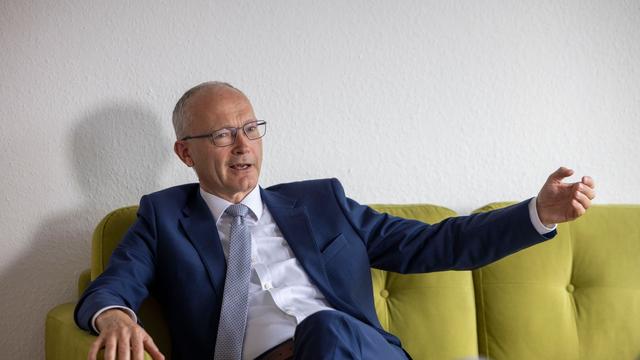
Germany's Consumer Minister, Steffi Lemke, has criticized the government's fuel rebate policy, stating that it amounted to burning money. The rebate, introduced to alleviate rising fuel costs, is now seen by some as an ineffective measure that did not benefit consumers as intended. Lemke's statement suggests that the funds allocated to this program could have been utilized more effectively elsewhere. The policy aimed to provide temporary relief at the pump, but its overall impact and efficiency are now under scrutiny. The minister's remarks highlight a growing debate about the effectiveness of government interventions in managing inflation and consumer costs. The specific details of how the money was 'burned' or misallocated were not elaborated upon in the provided text, but the sentiment indicates significant dissatisfaction with the program's outcomes. This criticism comes as the government faces pressure to address the cost of living crisis impacting German households.
The German government's fuel rebate program, intended to mitigate inflationary pressures on consumers, appears to have faced significant criticism regarding its efficacy and financial prudence. From a policy perspective, such subsidies often present a trade-off between immediate relief and long-term fiscal health. While designed to cushion the immediate impact of rising energy prices, these measures can distort market signals, potentially prolonging reliance on fossil fuels and diverting funds from more sustainable or targeted support mechanisms. Evaluating the program's success requires a comprehensive analysis of its impact on consumer spending, inflation rates, and overall economic efficiency, considering alternative policy options that might have yielded greater societal benefit or addressed the root causes of price volatility more directly.
AI-generated to prompt reflection — not editorial opinion, not advice, not a statement of fact. How this works.