German Consumer Watchdog Finds Harmful Chemicals in Children's Strollers
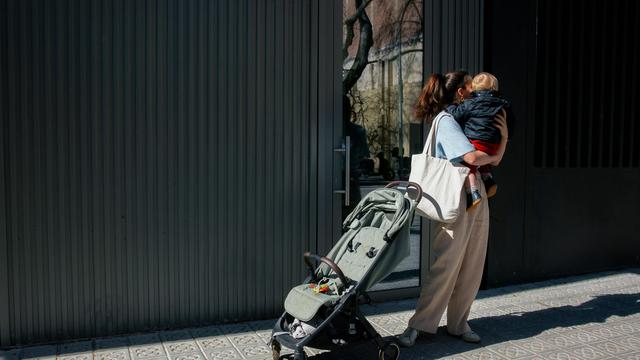
Stiftung Warentest, a German consumer organization, has issued a critical report on children's strollers, finding concerning levels of chemicals in several models. Out of twelve strollers tested, only four received a "good" rating. The remaining eight strollers were found to contain harmful substances, including plasticizers that have been banned for years. These banned chemicals pose a potential health risk, particularly to infants and young children who spend significant time in these products. The organization's findings highlight a failure in manufacturing or quality control processes, leading to the presence of prohibited substances in products intended for vulnerable users. Stiftung Warentest's assessment underscores the importance of rigorous testing and regulatory oversight to ensure product safety for consumers, especially children.
The Stiftung Warentest report raises critical questions about supply chain integrity and regulatory enforcement within the children's product manufacturing sector. The presence of long-banned plasticizers suggests potential systemic issues, ranging from inadequate supplier vetting to circumvention of existing safety standards. Manufacturers face incentives to reduce costs, which can sometimes lead to the use of cheaper, non-compliant materials. This situation prompts consideration of enhanced traceability mechanisms and more frequent, unannounced inspections throughout the production lifecycle. Looking ahead, the increasing sophistication of material science and the potential for novel chemical compounds necessitate adaptive regulatory frameworks that can anticipate and address emerging risks, ensuring that consumer safety evolves alongside industrial innovation.
AI-generated to prompt reflection — not editorial opinion, not advice, not a statement of fact. How this works.