German Court Rules AI Music Generator Suno Must Pay Royalties for Training Data
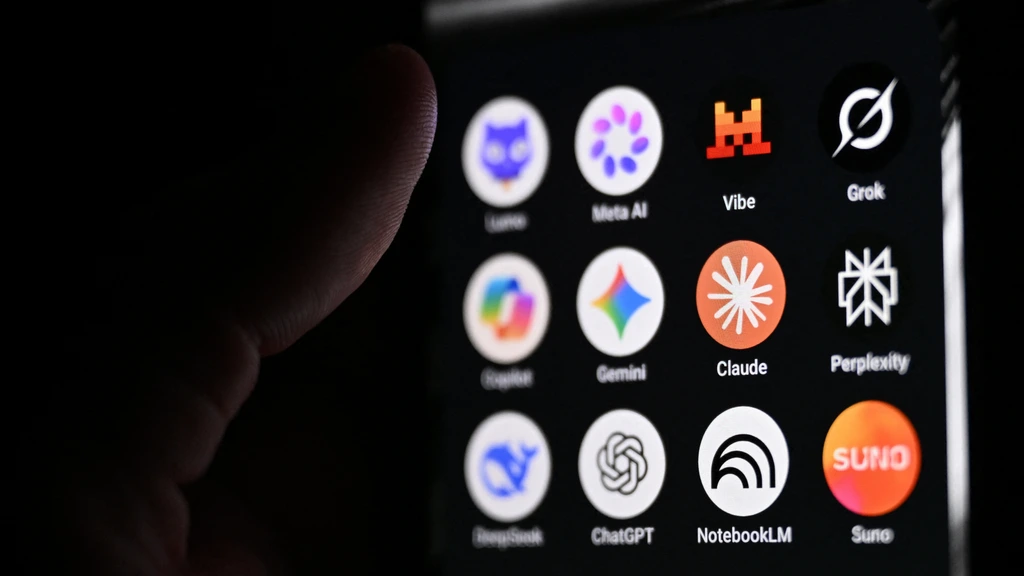
An AI company named Suno has been ordered by a German court to pay copyright fees for utilizing existing songs to create new music with artificial intelligence. The ruling, issued by a court in Munich, represents a significant victory for the German copyright organization GEMA against the US-based company Suno. Currently, Suno does not compensate for the use of these musical works. Users of Suno can generate songs by providing an online prompt detailing the desired sound and subject matter, resulting in a complete song. GEMA successfully argued before the court that the melodies, harmonies, and rhythms of AI-generated songs often bear a striking resemblance to existing copyrighted material. The lawsuit specifically referenced compositions such as "Atemlos durch die Nacht," "Forever Young," and "Mambo No. 5," whose rights are represented by GEMA on behalf of German composers. The court largely accepted GEMA's argument that Suno used these songs to train its AI without proper authorization or payment. The specific mechanism for Suno to fulfill its copyright obligations has not yet been determined, and the company retains the option to appeal the decision. GEMA highlights this as the first ruling in Europe where a court mandates royalty payments for an AI company training its systems on existing musical compositions.
This German court ruling establishes a precedent for the copyright implications of AI training data, specifically concerning musical compositions. The decision underscores the principle that the unauthorized use of copyrighted material for AI model training may necessitate royalty payments. This outcome could influence how AI development companies approach data acquisition, potentially leading to increased licensing costs or the exploration of alternative, royalty-free datasets. The ruling prompts consideration of intellectual property frameworks in the context of rapidly advancing AI technologies, highlighting the tension between innovation and creators' rights. Future legal and regulatory developments will likely focus on defining fair use, establishing clear guidelines for AI training data, and ensuring equitable compensation for artists whose work contributes to AI-generated content, particularly as AI's creative capabilities expand.
AI-generated to prompt reflection — not editorial opinion, not advice, not a statement of fact. How this works.