German Emoji Use High, But Understanding Varies by Generation
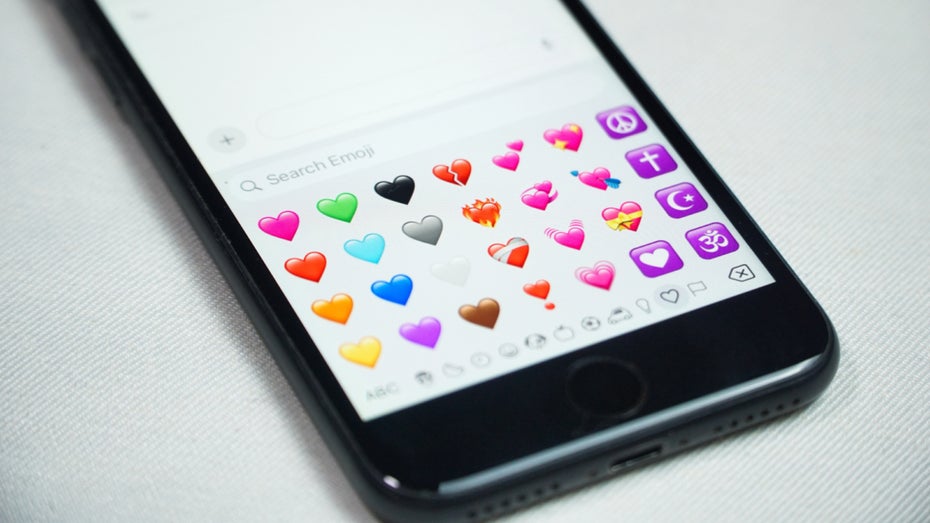
A Bitkom survey reveals that 9 out of 10 Germans regularly use emojis in digital communication. While Generation Z employs them almost universally, older generations, such as "Boomers," use them less frequently. Despite widespread adoption, a significant portion of users report uncertainty regarding the precise meaning of various emojis. This generational divide in emoji usage and comprehension highlights evolving digital communication norms. The study underscores the importance of visual cues in conveying emotion and tone in text-based interactions. As emojis become more integrated into daily online conversations, understanding their diverse interpretations is crucial for effective communication across different age groups. The findings suggest a need for greater clarity or standardization in emoji meanings to bridge potential communication gaps.
The pervasive adoption of emojis across 90% of the German population, as indicated by the Bitkom survey, demonstrates their critical role in modern digital discourse. The generational disparity in usage, with Gen Z leading and older demographics lagging, reflects differing levels of digital nativity and evolving communication styles. The reported uncertainty in emoji interpretation points to a potential challenge in achieving consistent meaning, which could lead to miscommunication. This phenomenon warrants consideration of how digital platforms and educational initiatives might foster greater emoji literacy. Looking ahead, as AI systems increasingly interpret and generate text, understanding the nuanced and sometimes ambiguous nature of emoji communication will be vital for seamless human-AI interaction and for ensuring that digital communication remains inclusive and effective across all demographics.
AI-generated to prompt reflection — not editorial opinion, not advice, not a statement of fact. How this works.