German Experts Highlight Integration Support Gaps Under Merkel's Refugee Policy
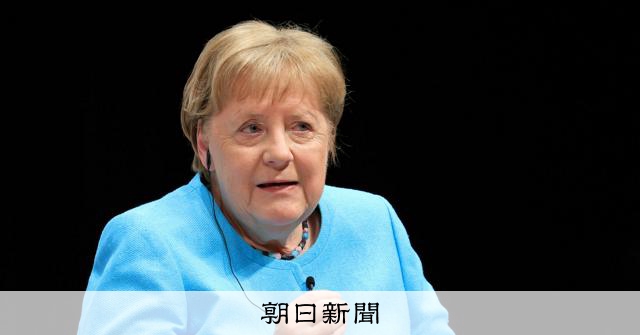
German experts are pointing out deficiencies in integration support that were overlooked during the administration of former Chancellor Angela Merkel, which previously championed the acceptance of refugees. While Merkel's government provided significant support to refugees arriving in Germany, a critical assessment now suggests that the long-term integration efforts were insufficient. This oversight is now presenting challenges for Germany as it continues to manage the social and economic implications of large-scale refugee arrivals. The experts argue that a more robust and sustained approach to integration was needed to ensure refugees could successfully become part of German society. The current discussions highlight a retrospective view of the policies enacted during the refugee crisis, emphasizing the need for improved strategies moving forward. These insights come from prominent German intellectuals and policy analysts who have been observing the integration process. They believe that the initial humanitarian response, while commendable, did not adequately prepare for the complexities of long-term settlement and inclusion. The focus now is on addressing these identified gaps to foster a more cohesive society.
The period under Angela Merkel saw Germany implement a policy of open borders for refugees, a decision driven by humanitarian concerns and international obligations. However, retrospective analysis by German experts suggests that the subsequent integration support, while present, may have been insufficient for long-term societal cohesion. This highlights a common challenge for governments facing large humanitarian inflows: balancing immediate relief with sustained, resource-intensive integration programs. The current critique points to a potential systemic oversight in planning for the long-term economic and social assimilation of newcomers. Looking ahead, this situation underscores the importance of developing comprehensive, multi-year integration strategies that account for cultural, linguistic, and economic factors, ensuring that initial humanitarian gestures translate into sustainable societal participation and avoid creating future social friction.
AI-generated to prompt reflection — not editorial opinion, not advice, not a statement of fact. How this works.