German Families Relocate to Hungary, Seeking New Lives
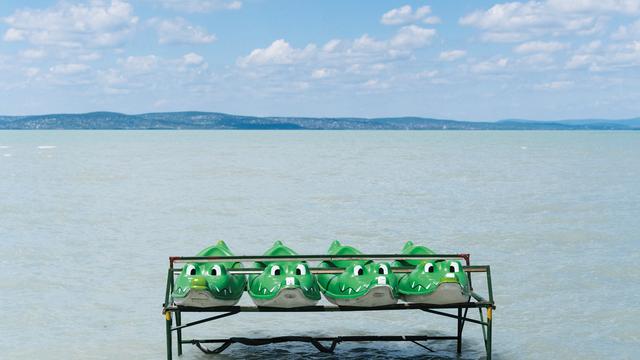
The Kessler family, for example, relocated to Lake Balaton due to the COVID-19 pandemic. They are now cultivating a piece of land with their young children and are actively learning Hungarian. However, they are not finding many like-minded individuals in their new environment. This trend highlights a broader movement of German citizens seeking new opportunities and lifestyles abroad, with Hungary emerging as a notable destination. The decision to move is often driven by a desire for a different pace of life, perceived lower cost of living, or specific lifestyle choices. Families like the Kesslers are navigating the challenges of adapting to a new culture and language while establishing themselves in a foreign country. The experience underscores the personal sacrifices and adjustments involved in international migration, even within the European Union.
The migration of German citizens to Hungary, exemplified by the Kessler family's move, reflects a growing trend of individuals seeking alternative living environments. This phenomenon can be analyzed through the lens of demographic shifts, economic incentives, and evolving lifestyle preferences within the European Union. Factors such as perceived quality of life, cost of living, and regulatory environments may influence such decisions. The challenge of cultural integration and language acquisition, as noted with the Kesslers, presents a significant aspect of this migration pattern. Understanding the long-term sustainability of these moves requires considering the integration of migrants into local communities and their access to social and economic opportunities over the next decade, particularly as digital nomadism and remote work become more prevalent.
AI-generated to prompt reflection — not editorial opinion, not advice, not a statement of fact. How this works.