German Far-Right AfD Nears Regional Power, Dividing Ruling Coalition
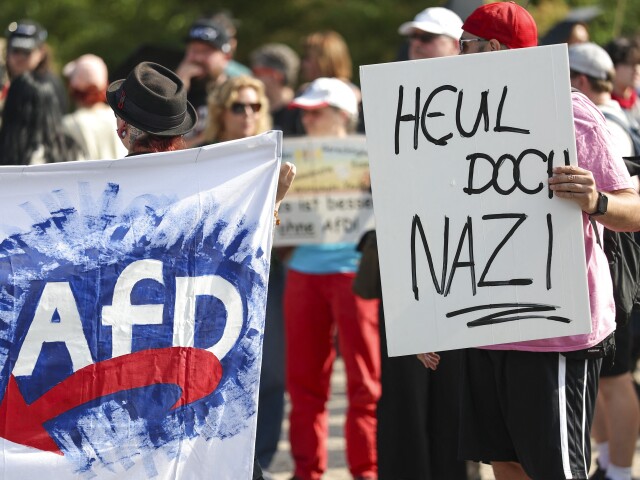
Germany's ruling coalition is divided over how to handle the far-right Alternative for Germany (AfD) party, which is currently the strongest political force in the country according to polls. The AfD is on the verge of potentially governing in regions, particularly with upcoming elections in Saxony-Anhalt where it could win outright. This situation has created a significant rift within the government in Berlin. Some factions within the center-right Christian Democratic Union (CDU) are open to cooperating with the AfD. In contrast, the Social Democrats (SPD) are advocating for the party to be banned altogether. The differing approaches reflect a broader debate about how to confront rising right-wing extremism and its increasing electoral success.
The growing electoral strength of the AfD party in Germany presents a complex governance challenge, highlighting a fundamental tension between democratic principles of representation and the need to safeguard against extremist ideologies. The debate within the ruling coalition over cooperation versus prohibition reveals differing strategic assessments of how best to manage the political landscape. Banning a party, while seemingly a direct response to extremism, risks alienating voters and potentially driving dissent underground, while cooperation could legitimize and normalize far-right positions. Future governance models will need to navigate this dilemma, balancing inclusivity with the protection of democratic norms and considering the long-term societal implications of appeasing or suppressing significant political movements.
AI-generated to prompt reflection — not editorial opinion, not advice, not a statement of fact. How this works.