German Farmers Cultivate Less Land, Resulting in Fewer Strawberries and Slightly More Asparagus
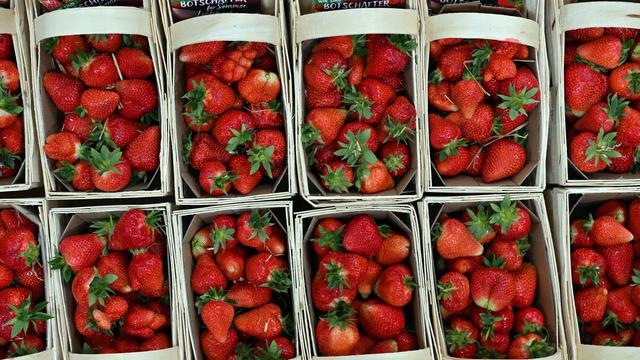
German agricultural land usage has seen a shift, with a reduction in the area dedicated to strawberries and a slight increase for asparagus cultivation. This change in crop allocation reflects evolving market demands and potentially different cultivation challenges or profitability.
Specifically, the overall cultivation area for strawberries has decreased. This reduction could be attributed to various factors, including weather patterns, disease pressure, or economic considerations for farmers. Conversely, the area used for growing asparagus has seen a modest expansion. This suggests a growing or stable demand for asparagus, or perhaps more favorable conditions for its cultivation compared to strawberries. The precise figures for the acreage changes were not provided in the original report, but the trend indicates a reallocation of resources within the sector.
The reported shift in German agricultural land allocation between strawberries and asparagus highlights the dynamic nature of farming in response to economic incentives and environmental factors. The decrease in strawberry cultivation area, alongside an increase for asparagus, suggests a market-driven adjustment. Farmers likely reallocate land based on perceived profitability, labor availability, and the risks associated with each crop. Future trends may depend on consumer preferences, technological advancements in cultivation, and the impact of climate change on growing seasons and yields. Understanding these underlying economic and ecological drivers is crucial for anticipating the long-term sustainability and resilience of the agricultural sector.
AI-generated to prompt reflection — not editorial opinion, not advice, not a statement of fact. How this works.