German FDP Leader Emphasizes Party's Desire to Govern in Northern Germany
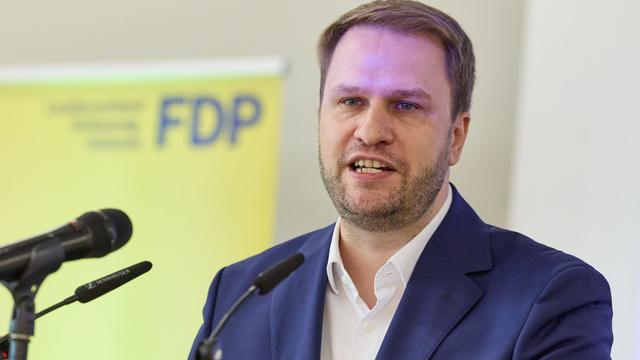
The leader of Germany's Free Democratic Party (FDP), Wolfgang Kubicki, has stressed the party's strong commitment to participating in governance in the northern regions of the country. This statement comes amidst ongoing political discussions and potential coalition formations following recent elections or political shifts in the area. Kubicki's remarks signal the FDP's intent to be a significant player in shaping policy and administration in the north. The party, known for its liberal economic policies and emphasis on individual freedoms, aims to contribute its distinct political perspective to regional governance. The specific context of these northern regions and the exact nature of the political discussions were not detailed in the provided text, but the emphasis is clearly on the FDP's proactive stance. The party seeks to leverage its electoral performance and policy positions to secure a role in the new government structures. This move is seen as crucial for the FDP to maintain its influence and implement its agenda at the state level. The party's leadership is actively engaging in dialogues to explore all viable options for co-governance.
The FDP's assertion of its desire to govern in northern Germany highlights the party's strategic positioning within the current German political landscape. As a key coalition partner in many federal and state governments, the FDP's emphasis on regional participation reflects a broader trend of coalition politics shaping policy outcomes. The party's focus on governance suggests an intent to translate its liberal economic and social policies into tangible regional development. This approach allows the FDP to demonstrate its capacity to deliver on its platform, potentially influencing future electoral successes. The long-term implications involve the FDP's role in navigating the economic and social challenges of northern Germany, balancing its market-oriented principles with regional needs and the broader national agenda, particularly in the context of evolving technological and environmental imperatives.
AI-generated to prompt reflection — not editorial opinion, not advice, not a statement of fact. How this works.