German Federal Government Plans Increased Funding for Rail Infrastructure
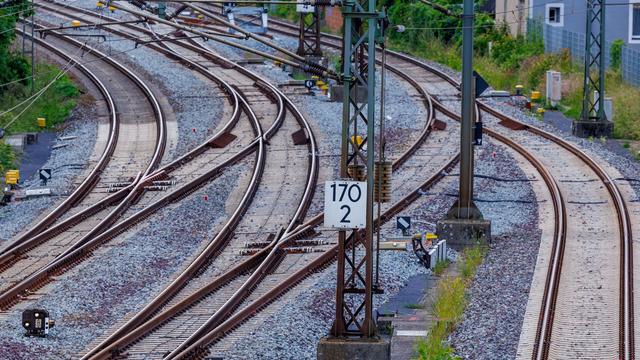
The German federal government is planning to allocate more funds towards the construction and expansion of the country's railway network. This initiative aims to modernize and enhance the existing rail infrastructure, potentially leading to improved capacity and efficiency.
The increased investment is expected to support new railway lines as well as the upgrading of existing ones. Further details regarding the specific budget allocations and the timeline for these projects are anticipated to be released as part of the upcoming budget discussions. The move signals a commitment to bolstering rail transport within Germany.
The German federal government's plan to increase investment in rail infrastructure reflects a strategic prioritization of sustainable transportation and modal shift. This policy aligns with broader European Union objectives to reduce carbon emissions from the transport sector and enhance connectivity. By focusing on new construction and expansion, the government aims to address current capacity constraints and future demand, potentially improving freight and passenger mobility. Such investments can stimulate economic activity through job creation and by facilitating more efficient logistics. However, the success of these plans will depend on effective project management, timely execution, and securing long-term funding to ensure the infrastructure meets evolving technological standards and user needs over the next decade.
AI-generated to prompt reflection — not editorial opinion, not advice, not a statement of fact. How this works.