German Finance Minister Defends Increased New Borrowing for Federal Budget
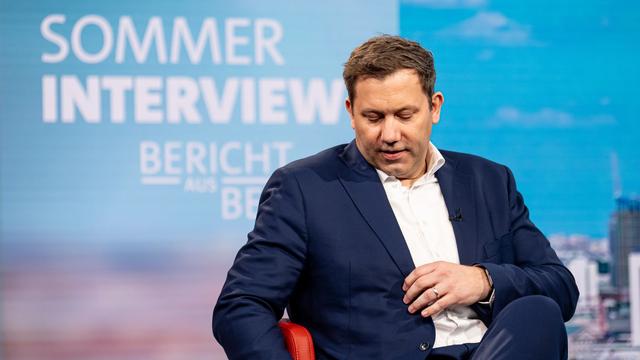
German Finance Minister Klingbeil has defended the decision to increase new borrowing for the federal budget. The move comes amid ongoing discussions about the country's fiscal strategy and economic outlook. Klingbeil emphasized the necessity of this measure to ensure the government can meet its financial obligations and fund essential public services. He highlighted that the current economic climate necessitates a flexible approach to fiscal policy. The minister assured the public that the increased borrowing is a temporary measure designed to navigate short-term challenges. He also stated that the government remains committed to long-term fiscal responsibility. Further details on the specific allocation of the borrowed funds are expected to be released soon. The opposition has raised concerns about the rising debt levels, while the government insists it is a prudent step.
The German government's decision to increase new borrowing reflects a common fiscal challenge faced by many nations: balancing immediate needs with long-term debt sustainability. In an era of evolving economic landscapes, driven by technological shifts and geopolitical uncertainties, governments often find themselves needing to deploy fiscal tools flexibly. This situation presents a trade-off between providing necessary public services and maintaining a strong credit rating. The minister's defense suggests a strategic approach to managing these competing priorities, potentially leveraging borrowing to stimulate growth or address unforeseen crises. Future fiscal policy will likely need to navigate the tension between investment in future-oriented sectors, such as digital infrastructure and green energy, and the imperative to reduce debt burdens, especially as interest rates fluctuate and global economic conditions remain dynamic.
AI-generated to prompt reflection — not editorial opinion, not advice, not a statement of fact. How this works.