German firefighters battle blaze in Müritz National Park due to unexploded ordnance
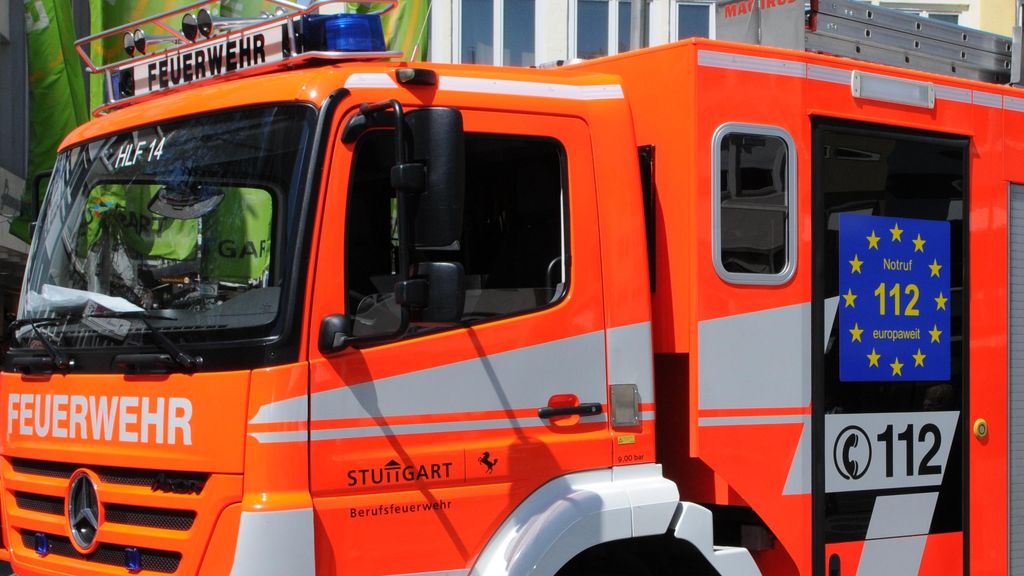
Firefighters in northeastern Germany have been engaged for days in battling a nature fire on a former military training ground within Müritz National Park. Approximately 400 firefighters are deployed to combat the blaze, which has affected about 360 hectares of forest, an area more than twice the size of Utrecht's city center. The village of Granzin, situated adjacent to the park, was evacuated on Monday, with its roughly 100 residents awaiting clearance to return home. The prolonged firefighting efforts are attributed to the presence of old ammunition on the site, which was used by the Soviet army for training from after World War II until 1990. The discovery of items like armor-piercing shells in the past means firefighters cannot directly extinguish the fire but must combat it from the perimeter. Multiple explosions have reportedly been heard during the fire, forcing firefighters to maintain a distance of at least 1 kilometer from the affected area. To manage the situation, firefighters are utilizing sprinklers typically used in agriculture and deploying firefighting helicopters. However, these helicopters are restricted from flying directly over the fire due to the ammunition risk. Efforts to keep the surrounding area moist with sprinklers have reportedly slowed the fire's spread. Several nearby lakes have been closed to recreational users to allow helicopters to collect water. While severe thunderstorms were forecast for yesterday but did not bring rain, hopes are now pinned on precipitation falling in the area today.
The ongoing nature fire in Müritz National Park highlights a critical intersection of environmental conservation and historical military activity. The presence of unexploded ordnance from past conflicts presents a significant and persistent risk, complicating conventional firefighting strategies and necessitating remote containment methods. This situation underscores the long-term environmental liabilities associated with former military sites, where the legacy of training exercises can continue to pose hazards decades later. Future land management and redevelopment strategies for such areas must incorporate robust protocols for ordnance detection and mitigation to prevent similar crises. The event also raises questions about the resilience of natural ecosystems to such incidents and the adaptive capacity of emergency response protocols when faced with unique, high-risk variables. The reliance on specialized equipment and restricted operational zones emphasizes the need for advanced technological solutions and inter-agency cooperation in managing complex environmental emergencies.
AI-generated to prompt reflection — not editorial opinion, not advice, not a statement of fact. How this works.