German Flood Protection Inadequate for Many, BUND Survey Reveals
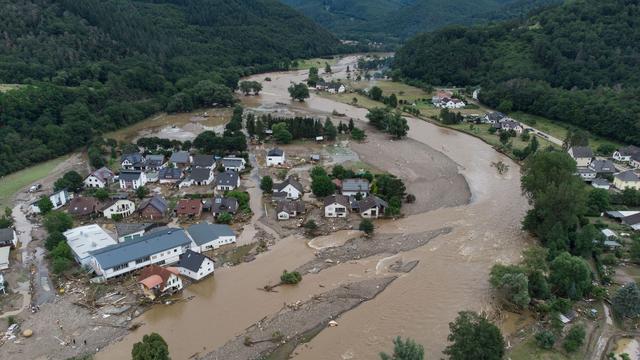
A recent survey conducted by the German environmental organization BUND (Friends of the Earth Germany) indicates that flood protection measures are insufficient for a significant portion of the population in Germany. The findings come in the wake of catastrophic flooding events that have highlighted vulnerabilities in existing infrastructure and preparedness. The survey gathered data on public perception and experiences with flood risks and the effectiveness of current protection strategies. Results suggest a widespread concern among citizens regarding their safety and the adequacy of government-led initiatives. BUND emphasizes that the increasing frequency and intensity of extreme weather events, likely exacerbated by climate change, necessitate a substantial upgrade in flood defense systems. The organization calls for greater investment in both structural measures, such as dikes and retention basins, and non-structural approaches, including improved early warning systems and land-use planning. The survey's methodology and specific regional data have not been fully detailed in the initial release, but the overarching message points to a critical gap between perceived risk and actual protective capacity.
The BUND survey underscores a critical governance challenge in Germany: aligning infrastructure investment with escalating climate risks. While Germany possesses advanced engineering capabilities, the survey suggests a disconnect between the perceived threat from catastrophic floods and the tangible protective measures in place. This situation may stem from competing priorities in public spending, long planning and implementation cycles for large-scale projects, or a historical underestimation of climate change's impact on hydrological patterns. Moving forward, German authorities face the imperative to integrate climate resilience more deeply into urban planning and infrastructure development, potentially through revised building codes, enhanced natural water retention areas, and more agile disaster response frameworks. The long-term sustainability of communities hinges on proactive adaptation strategies that anticipate, rather than merely react to, increasingly severe weather events.
AI-generated to prompt reflection — not editorial opinion, not advice, not a statement of fact. How this works.