German Football Youth Development: Klopp and the 'Street Pitch' - Reviving Talent to Reach the Top
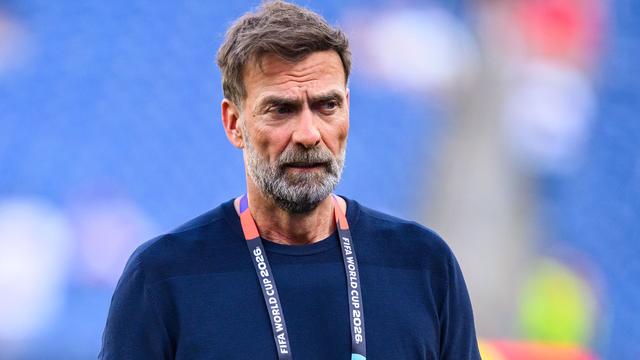
The future of German football talent development is being re-examined, with a focus on returning to the roots of grassroots play. Jürgen Klopp, the renowned football manager, has publicly championed the importance of the "Bolzplatz," a term for a local, informal playing field, often just a patch of grass. Klopp argues that these unstructured environments foster creativity, resilience, and a natural love for the game, qualities he believes are sometimes lost in highly structured youth academies. The discussion highlights a potential disconnect between the current professionalized youth training systems and the organic development that produced many past football stars. Experts are considering how to reintegrate the spirit of "Bolzplatz" football into modern training methods. This approach aims to cultivate players who are not only technically skilled but also possess strong game intelligence and adaptability. The goal is to ensure Germany can continue to produce world-class football talent by nurturing a more holistic and engaging development pathway from an early age.
The renewed emphasis on informal "Bolzplatz" play in German youth football development suggests a potential systemic critique of overly structured academy systems. This perspective posits that excessive formalization may inadvertently stifle the creativity and intrinsic motivation crucial for elite athletic performance. By advocating for a return to more organic, self-directed play, figures like Jürgen Klopp are highlighting the importance of fostering player agency and adaptability. This approach could be viewed through the lens of future talent development, where AI-driven training might also benefit from incorporating elements that encourage independent problem-solving and resilience, rather than solely focusing on prescribed drills. The challenge lies in balancing structured, data-informed training with the unpredictable, emergent learning that occurs in less formal settings, ensuring that future generations of athletes are both technically proficient and creatively agile.
AI-generated to prompt reflection — not editorial opinion, not advice, not a statement of fact. How this works.