German fuel prices rise as temporary tax cut expires
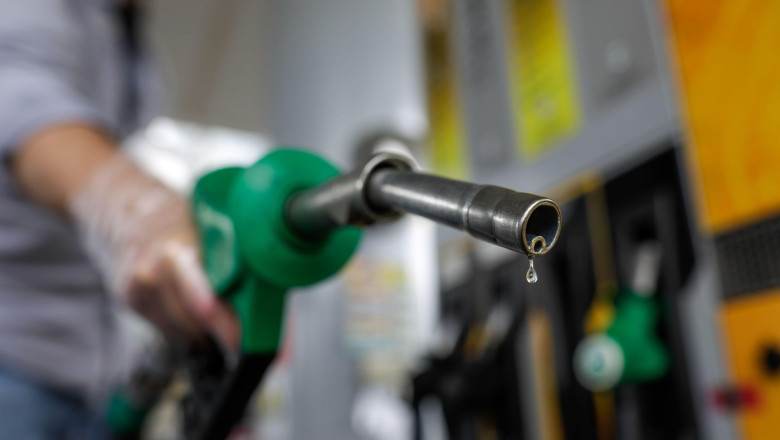
German drivers are now facing higher fuel prices following the expiration of a temporary tax reduction on gasoline and diesel. This measure was initially implemented to help mitigate the economic impact of the energy crisis, which was exacerbated by the outbreak of the war in Iran. The reduction had been in effect to provide some relief to consumers during a period of significant price volatility. The return to pre-reduction tax levels means drivers will see an increase at the pump. This change is expected to affect household budgets and could potentially influence consumer behavior regarding travel and fuel consumption.
The expiration of the temporary fuel tax reduction in Germany marks a return to pre-crisis tax structures, impacting consumer costs. This policy shift, intended to cushion the effects of energy market shocks, highlights the delicate balance governments must strike between fiscal revenue and public affordability. As energy prices remain a significant factor in economic stability, policymakers will likely continue to evaluate the effectiveness and sustainability of such tax interventions, considering their broader implications for inflation, consumer spending, and the transition towards more sustainable energy sources over the next decade.
AI-generated to prompt reflection — not editorial opinion, not advice, not a statement of fact. How this works.