German Government Aims for More Active Role in Housing Crisis
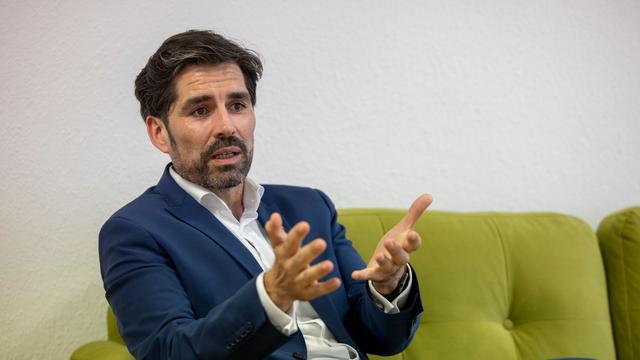
Bavarian State Minister Judith Teuber has called for a more proactive stance from the state in addressing the significant challenge of housing availability. She emphasized that housing is a "mega-topic" requiring greater governmental involvement. Teuber's remarks suggest a recognition that current policies may not be sufficient to meet the growing demand for affordable and accessible housing.
The minister's statement indicates a potential shift in strategy, moving beyond passive observation to active intervention in the housing market. This could involve new legislative measures, increased public investment in housing projects, or regulatory changes aimed at stabilizing prices and increasing supply. The "mega-topic" framing highlights the complexity and far-reaching implications of the housing shortage, affecting individuals, families, and the broader economy.
The call for a more active state role in housing reflects a common challenge faced by many developed economies, where market forces alone have struggled to ensure adequate and affordable housing. This situation often stems from a complex interplay of factors including land use regulations, construction costs, investment speculation, and demographic shifts. A more interventionist approach by the government could involve measures such as direct public housing construction, subsidies for developers, or rent controls. However, such policies carry trade-offs, potentially impacting private investment incentives and market efficiency. Evaluating the long-term efficacy will require careful consideration of economic impacts, social equity goals, and the potential for unintended consequences within the housing ecosystem.
AI-generated to prompt reflection — not editorial opinion, not advice, not a statement of fact. How this works.