German Government Faces Crisis Amid Cabinet Shake-up, Speculation Over Leadership
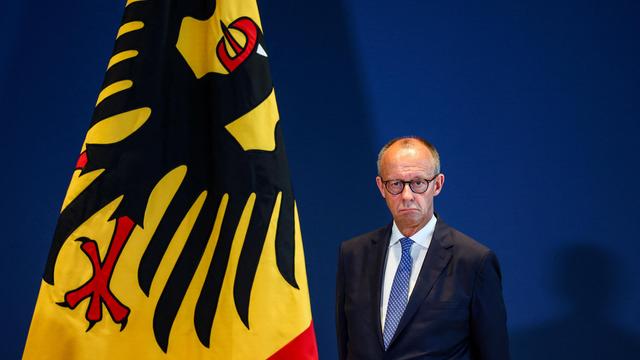
Germany's government is reportedly in its most severe crisis following a cabinet reshuffle and the departure of Jens Spahn. This turmoil has led to widespread speculation about the future of Chancellor Olaf Scholz and the potential implications for upcoming elections in Eastern Germany. The situation is described as a loss of control for the current administration. Friedrich Merz, a prominent political figure, is also mentioned in the context of these leadership discussions, with questions arising about his political future. The article suggests that the current government's stability is being severely tested, potentially impacting its electoral prospects, particularly in the eastern regions of the country. The extent of the crisis and its potential fallout for the Chancellor and the broader political landscape are key concerns.
The reported government crisis and cabinet reshuffling in Germany highlight the inherent volatility in political leadership transitions, especially when coupled with electoral pressures. The scrutiny of Chancellor Scholz's position and the mention of Friedrich Merz suggest a dynamic interplay between internal party politics and public perception. In the context of the evolving geopolitical landscape and the increasing influence of AI on information dissemination, such periods of instability can be amplified, making clear communication and consistent policy crucial. The upcoming elections in Eastern Germany will likely serve as a significant barometer for the government's current standing and its ability to navigate these challenges, offering insights into voter sentiment regarding economic policies, social cohesion, and the perceived effectiveness of leadership.
AI-generated to prompt reflection — not editorial opinion, not advice, not a statement of fact. How this works.