German Government Reshuffle After CDU Leader Resigns Over Surrogacy Controversy
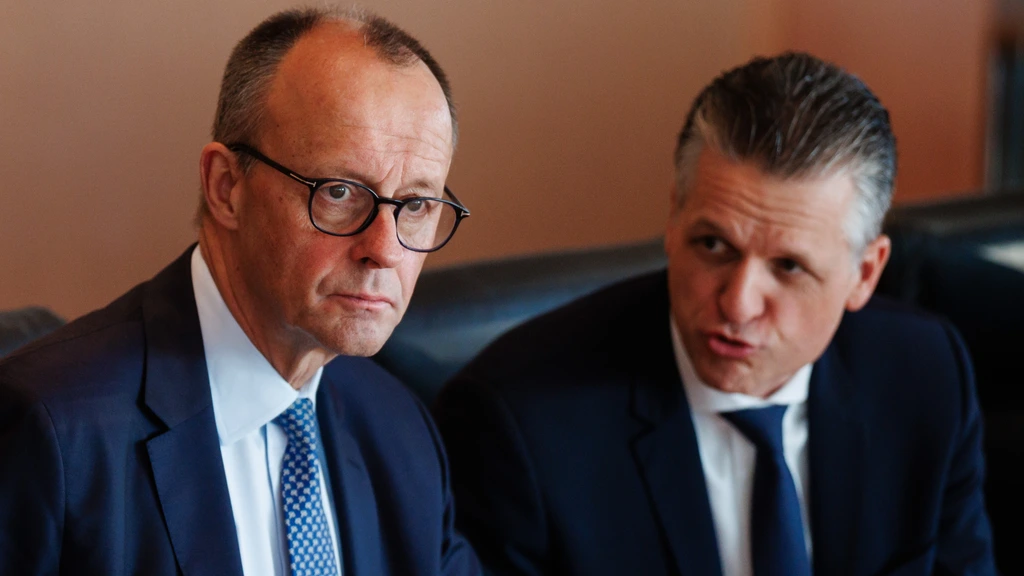
German Chancellor Friedrich Merz is orchestrating a significant reshuffling of his government following the resignation of CDU/CSU parliamentary group leader Jens Spahn. Spahn stepped down after facing intense criticism for circumventing Germany's ban on surrogacy by becoming a father through a surrogacy arrangement in the United States. This move had created the impression that laws do not apply to politicians themselves and significantly damaged Spahn's and the party's credibility. The CDU/CSU is reportedly hoping this reshuffle will help them move past the controversy and regain public trust. Thorsten Frei, currently chief of staff to Merz and a trusted confidant, has been appointed as the new parliamentary group leader, pending approval from the faction. Nina Warken, the current Minister of Health, will succeed Frei as chief of staff, a ministerial post within the Chancellor's office. Carsten Linnemann, another close associate of Merz, is expected to take over as Health Minister. These appointments aim to bring stability to the governing party, which has been struggling with a credibility deficit, partly due to broken campaign promises, such as Merz's pledge against new debt before authorizing billions for defense and infrastructure. Merz has publicly distanced himself from Spahn, criticizing his communication strategy and suggesting Spahn's "personality" contributed to the uproar. Spahn was known for his tough negotiation style and conservative stance, making him unpopular with some voters and the coalition partner SPD, but he was also seen as a potential challenger to the 70-year-old Merz. The reshuffle also addresses criticism that Merz surrounds himself with men similar to him, with Nina Warken's appointment to an influential, albeit less visible, role. There is also an anticipated appointment of Philipp Amthor, from East Germany, to a special ministerial role coordinating with the federal states. The CDU/CSU faces crucial state elections in September in East Germany, where polls suggest the party is underperforming against the rising AfD. The CDU/CSU faction will vote on the new group leader next week, requiring members to return from recess at their own expense to avoid using taxpayer money for internal party matters.
The resignation of Jens Spahn and the subsequent government reshuffle highlight the tension between political expediency and adherence to established legal and ethical norms. The CDU/CSU's efforts to stabilize its image and regain voter confidence underscore the critical importance of perceived integrity in public office, especially when past policy stances are contradicted by personal actions. Chancellor Merz's strategic appointments of loyalists, while aiming for internal cohesion, also raise questions about broader representation and diversity within leadership, a point acknowledged by the inclusion of Nina Warken in a key role. The party's performance in upcoming East German state elections, set against the backdrop of the AfD's rise, suggests that internal controversies could have significant electoral consequences, forcing a recalibration of party strategy and messaging to address voter concerns about credibility and policy consistency in the face of evolving societal expectations and political landscapes.
AI-generated to prompt reflection — not editorial opinion, not advice, not a statement of fact. How this works.