German Government Reshuffle Concludes Amid Lingering Criticism
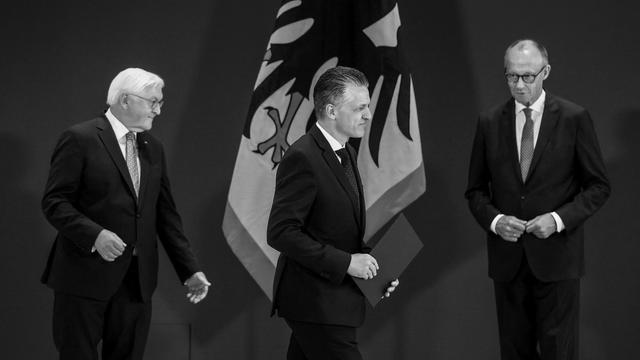
The reshuffle of ministers and the CDU parliamentary group leader in Germany has been officially completed. This concludes the personnel changes initiated by the Federal Chancellor. Despite the official finalization, questions remain about whether the process ultimately proceeded smoothly and if the associated criticism has subsided. In separate news, automotive giant BMW announced plans to eliminate 8,000 jobs.
The recent German government reshuffle, involving ministerial changes and the CDU parliamentary group leadership, marks a significant internal realignment. While presented as a completed process, the lingering criticism suggests underlying tensions or unresolved issues regarding the decision-making or execution of these personnel changes. Such adjustments often reflect attempts to consolidate power, adapt to political pressures, or signal a new strategic direction. The simultaneous announcement of substantial job cuts by BMW highlights broader economic challenges and industry transformations, potentially influenced by factors like automation, market shifts, or global supply chain dynamics. The interplay between political stability and economic performance will be crucial for Germany's trajectory in the coming decade.
AI-generated to prompt reflection — not editorial opinion, not advice, not a statement of fact. How this works.