German highway bridges in disrepair: Is demolition and rebuilding the only option?
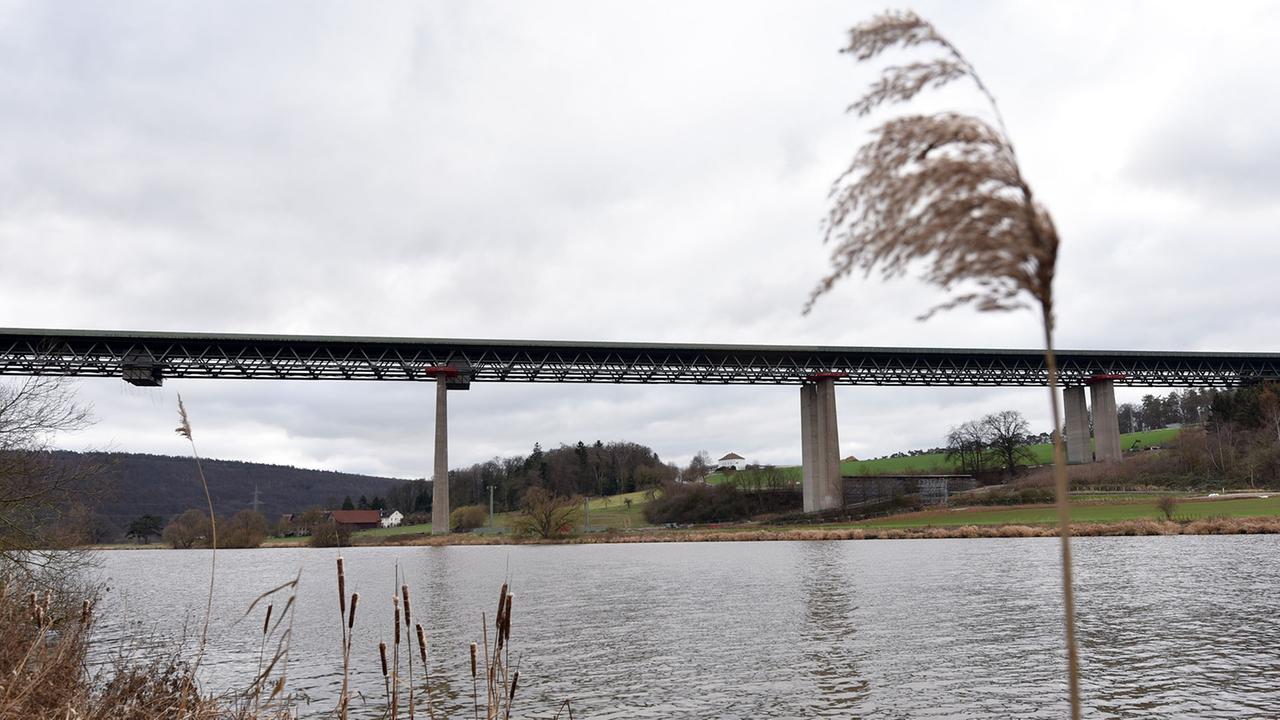
Thousands of German highway bridges are in a state of disrepair, leading to a common practice of demolition and new construction. This process, however, is extremely time-consuming, often taking decades, and incurs enormous costs. The article questions whether replacing every dilapidated bridge is truly the only viable solution. The current approach of widespread demolition and rebuilding is being scrutinized for its long-term efficiency and financial implications. It raises concerns about the sustainability of maintaining the nation's aging infrastructure. The piece suggests exploring alternative methods beyond complete replacement. The sheer scale of the problem implies a need for innovative and potentially less disruptive strategies. The financial burden on taxpayers and the economy is significant, prompting a re-evaluation of existing infrastructure management practices. The author, Christof Dörr, explores whether alternative approaches could mitigate the extensive delays and high expenses associated with current methods.
The extensive deterioration of German highway bridges highlights a critical infrastructure challenge. The prevailing strategy of demolition and new construction, while addressing immediate safety concerns, presents significant long-term economic and logistical hurdles due to its protracted timelines and substantial costs. This situation prompts an examination of incentive structures within public infrastructure management. Policymakers face a trade-off between the perceived certainty of new builds and the potential efficiencies of alternative repair or reinforcement strategies. Considering the accelerating pace of technological advancement and the increasing demands on transportation networks, a forward-looking approach might prioritize adaptable and sustainable maintenance models. This could involve exploring innovative materials, modular construction techniques, or advanced predictive maintenance systems to optimize resource allocation and minimize disruption over the next decade.
AI-generated to prompt reflection — not editorial opinion, not advice, not a statement of fact. How this works.