German Hospitals Face New Pressures After Ward Closures
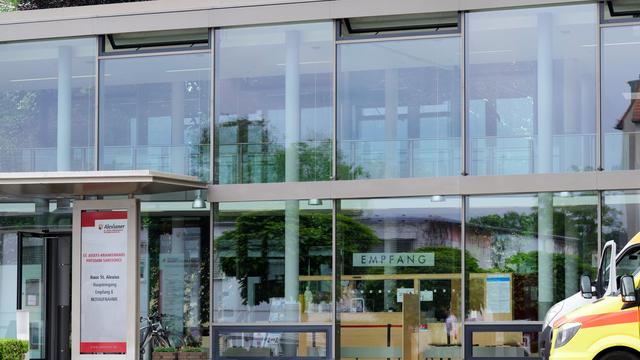
German hospitals are encountering fresh challenges following the closure of several wards. This situation exacerbates existing strains within the healthcare system, which has been grappling with understaffing and financial difficulties. The closures are a direct consequence of these ongoing pressures, forcing a reduction in available services and bed capacity. Patients may face longer waiting times and reduced access to certain treatments as a result.
Healthcare providers are expressing grave concerns about the sustainability of current operations. The trend of ward closures signals a potential decline in the quality and accessibility of care nationwide. Experts warn that without significant intervention and reform, the situation could lead to a critical point where essential medical services become unavailable in many regions. The German Hospital Federation (DKG) has repeatedly called for increased funding and structural changes to alleviate the burden on medical facilities.
The reported ward closures in German hospitals highlight a critical juncture for the nation's healthcare infrastructure. This situation likely stems from a complex interplay of factors including evolving reimbursement models, persistent staff shortages exacerbated by demographic shifts, and potentially increasing operational costs. The immediate consequence is a reduction in service capacity, which could disproportionately affect patient access and outcomes, particularly in underserved areas. Looking ahead, this trend raises systemic questions about the long-term viability of the current hospital financing and operational framework. Policymakers face the challenge of balancing fiscal responsibility with the imperative to ensure equitable and robust healthcare access, potentially requiring innovative models for resource allocation and workforce development to meet future demands.
AI-generated to prompt reflection — not editorial opinion, not advice, not a statement of fact. How this works.