German Hospitals Struggle with Extreme Heat Amidst Climate Change
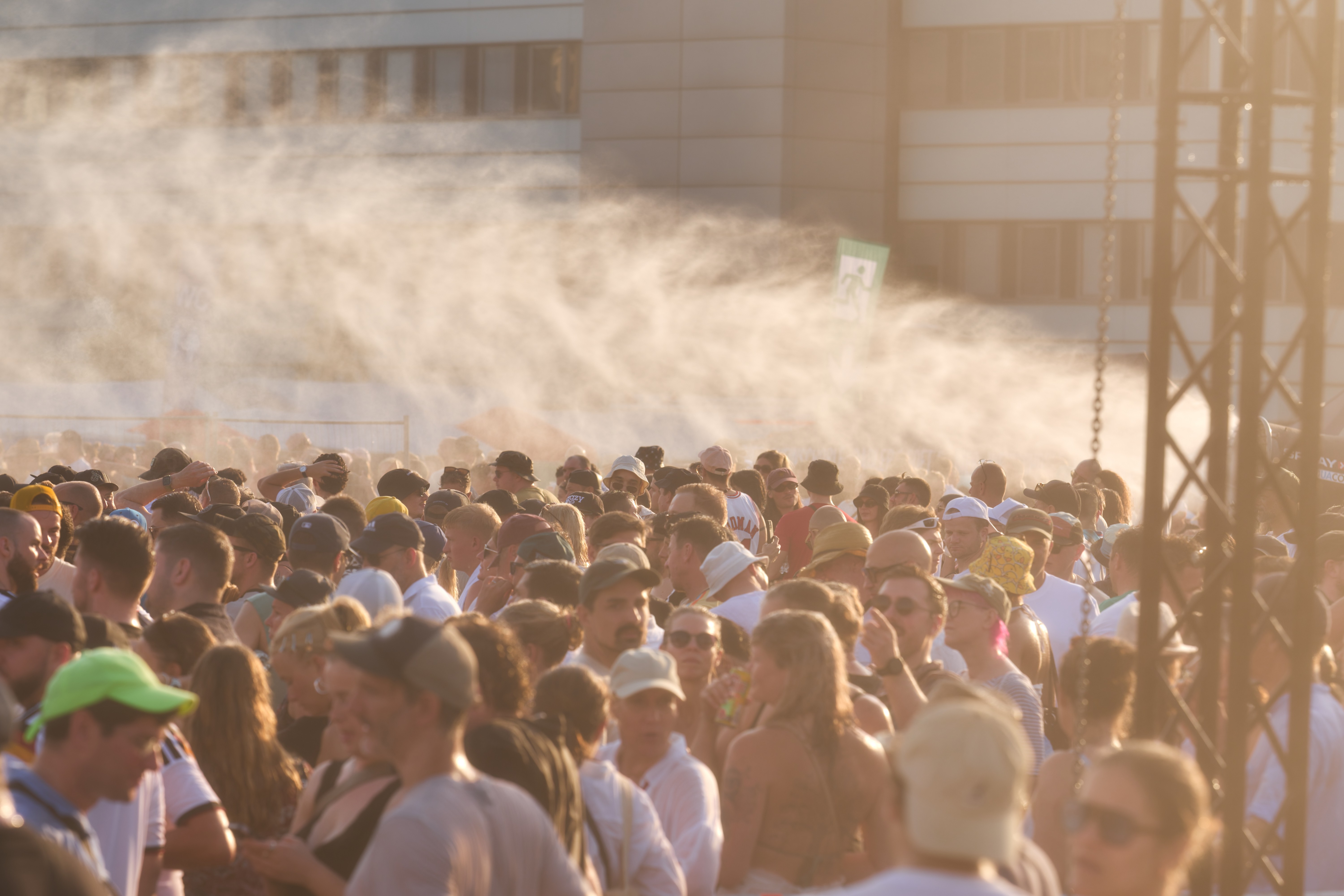
German hospitals are facing significant challenges in adequately protecting patients and staff from rising temperatures due to climate change, as most facilities were built before extreme heat events became common and lack widespread air conditioning. The University Medical Center Hamburg-Eppendorf (UKE) has implemented measures like planting trees, green facades, and installing external sunshades as part of a three-year-old heat protection plan, though air conditioning is limited to critical areas like ICUs and operating rooms. Frank Dzukowski, head of sustainability at UKE, emphasized the need for comprehensive heat protection plans that assign responsibilities and evaluate experiences. A 2024 survey by the German Hospital Institute revealed that 60% of 289 surveyed hospitals had not implemented heat protection measures, primarily citing a lack of funds (96%) and bureaucratic hurdles. The German Hospital Federation (DKG) predicts this situation will persist, with states failing to adequately refinance hospitals' investment costs, forcing them to prioritize direct patient care over infrastructure upgrades like cooling systems. DKG President Gerald Gaß highlighted the need for investment in cooling solutions, even as low-cost measures like lighter work clothes and adapted meals can offer some relief. The DKG advocates for a 31 billion Euro climate fund, partially dedicated to heat protection. The Charité hospital in Berlin simulated extreme heat conditions, developing a "heat map" to identify high-risk areas and cool refuges. They concluded that German hospitals currently cannot guarantee adequate medical care during severe heatwaves and that government intervention is necessary to create structures and promote climate-resilient hospital reforms.
The increasing frequency and intensity of heatwaves in Germany, driven by anthropogenic climate change, expose a critical vulnerability in the nation's healthcare infrastructure. Many hospitals, designed for a cooler climate, lack essential cooling systems, creating a direct risk to patient well-being and operational continuity. The financial constraints and bureaucratic processes highlighted by hospitals and the DKG suggest a systemic underinvestment in climate adaptation for critical public services. This situation presents a trade-off between immediate operational budgets and long-term resilience, a challenge amplified by the economic pressures facing healthcare providers. Future-proofing these facilities will require significant capital investment and a strategic shift in infrastructure planning to align with evolving environmental realities, ensuring that healthcare remains accessible and effective even under extreme climatic conditions.
AI-generated to prompt reflection — not editorial opinion, not advice, not a statement of fact. How this works.