German Housing Construction Costs Surge Amid Rising Prices
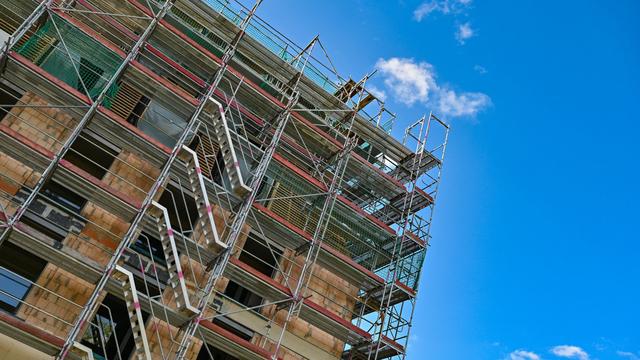
The construction of new housing in Germany is becoming increasingly expensive, with prices experiencing a significant increase. This trend indicates a growing challenge for developers and potential homeowners alike. The rising costs are likely to impact the affordability and availability of new homes across the country.
This escalation in construction expenses poses a considerable hurdle for the German housing market. It raises concerns about whether the pace of new home construction can keep up with demand. The situation may lead to further price hikes for both new and existing properties, potentially exacerbating housing shortages in certain areas. Further analysis is needed to understand the specific drivers behind these price increases and their long-term implications.
The escalating costs of housing construction in Germany present a complex economic challenge. This trend, characterized by robust price increases, suggests a confluence of factors potentially including material shortages, labor costs, and supply chain disruptions. From a systemic perspective, persistently rising construction expenses can create a feedback loop, making new housing less accessible and potentially inflating the value of existing properties. Over the next decade, as technological advancements in construction and evolving demographic needs shape the market, policymakers and industry stakeholders will need to address these cost pressures to ensure housing remains a viable option for a broad segment of the population. Examining the interplay between regulatory frameworks, material innovation, and labor market dynamics will be crucial for fostering a more sustainable and affordable housing sector.
AI-generated to prompt reflection — not editorial opinion, not advice, not a statement of fact. How this works.