German Housing Permits Rise Amid Significant Shortage
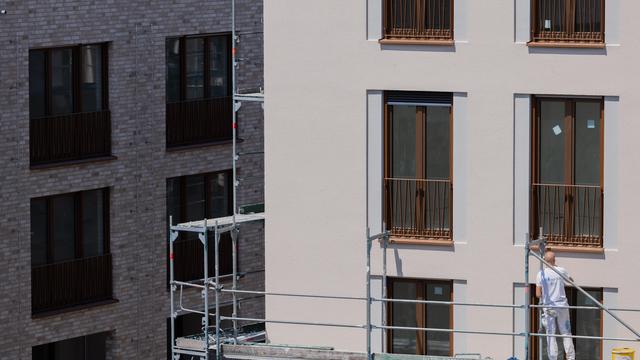
Despite a substantial deficit of approximately one million housing units in Germany, there are positive signs in construction permits. The Federal Statistical Office reported that since the beginning of the year, 104,000 permits for new housing have been issued. This figure indicates a growing trend in the approval process for new residential constructions. The ongoing need for housing remains a critical issue, but the increase in permits suggests a potential acceleration in future building activity. This development could offer some relief to the housing market, which has been struggling to keep pace with demand. The statistics provide a glimmer of hope for addressing the nationwide housing shortage.
The rise in housing permits in Germany, while positive, occurs against a backdrop of a severe housing deficit. This trend suggests that the regulatory and approval processes for new construction may be becoming more efficient or that developers are responding to market signals. However, the pace of permit issuance needs to be significantly higher and sustained over time to meaningfully close the one-million-unit gap. Future analysis should consider the conversion rate of permits to actual construction, potential supply chain constraints, and the economic viability of projects in the current inflationary environment. The long-term challenge lies in aligning construction capacity and policy with demographic and economic demand to ensure housing affordability and availability.
AI-generated to prompt reflection — not editorial opinion, not advice, not a statement of fact. How this works.