German Industries Increasingly Look Abroad Amid Competitiveness Challenges
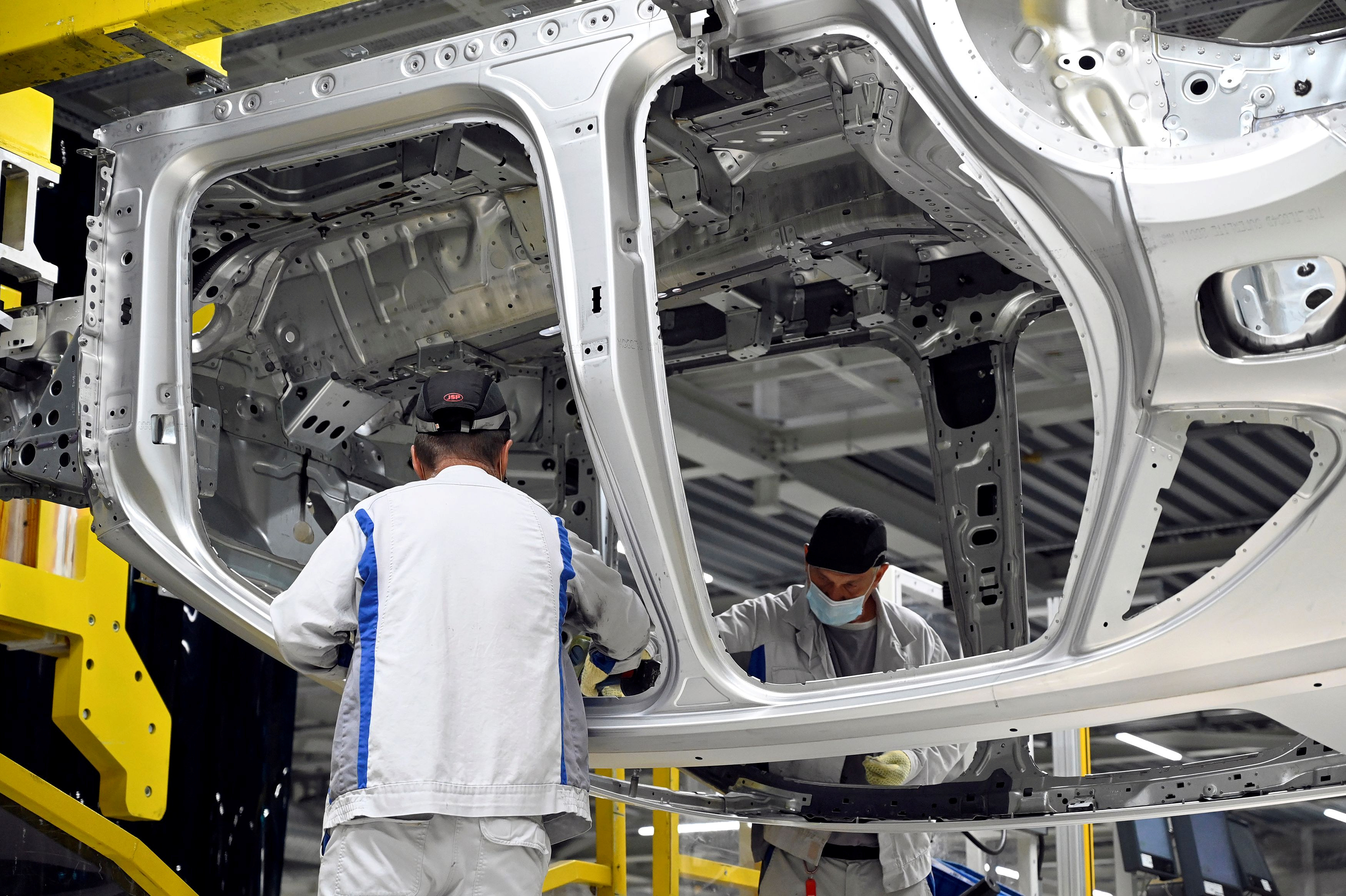
German businesses are increasingly relocating their operations abroad, posing a significant risk to Europe's largest economy as it strives to enhance its competitiveness. This trend is exemplified by Volkswagen, Germany's largest automaker, which is undertaking the most extensive restructuring in its history. The exodus of industrial activities signals a growing concern among German companies about their domestic operational environment.
This strategic shift by German firms highlights broader economic pressures and a search for more favorable conditions elsewhere. The decision by major players like Volkswagen to reorganize significantly suggests a proactive response to perceived challenges in maintaining global market share and profitability. The ongoing efforts to bolster Germany's economic standing are being tested by this outward migration of industrial capacity.
The increasing relocation of German industrial activities abroad reflects a complex interplay of global economic dynamics, regulatory environments, and the pursuit of competitive advantage. As Europe's largest economy navigates these challenges, companies are evaluating strategic options to optimize production costs and market access. This trend may indicate a need for domestic policy adjustments to foster a more attractive investment climate. Examining the long-term implications for supply chain resilience and technological innovation within Germany is crucial, especially in the context of global decarbonization efforts and the accelerating pace of digital transformation. The decisions made by major industrial players will shape Germany's economic trajectory and its role in the global manufacturing landscape over the next decade.
AI-generated to prompt reflection — not editorial opinion, not advice, not a statement of fact. How this works.