German Institutes Develop AI to Detect Its Own Deepfakes
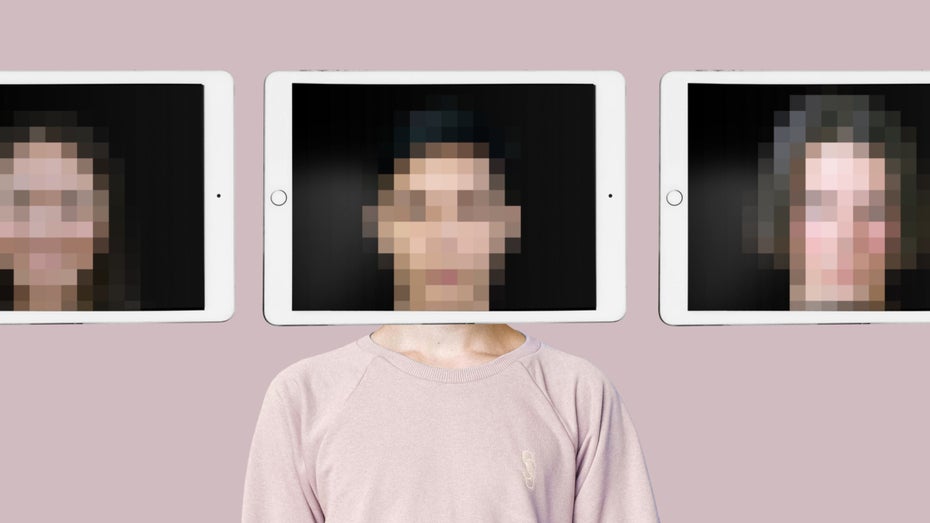
Researchers from the Fraunhofer Institute and the Federal Office for Information Security (BSI) in Germany have created a novel method for identifying deepfakes. This innovative approach leverages artificial intelligence to distinguish authentic content from manipulated media.
The new system is designed to detect sophisticated deepfakes, which pose a growing threat to information integrity and public trust. By analyzing various digital markers and patterns, the AI can identify subtle anomalies that indicate manipulation. The development aims to provide a robust tool for combating the spread of misinformation and disinformation.
While the primary function is deepfake detection, the researchers suggest the technology may offer additional capabilities beyond its core purpose. Further details on these extended functionalities are expected to be released as the project progresses. This initiative highlights Germany's commitment to advancing cybersecurity and AI ethics.
AI-driven deepfake detection represents a critical technological race, where generative capabilities are constantly challenged by analytical countermeasures. This development by German institutions underscores a proactive approach to mitigating the societal risks associated with synthetic media, particularly in the context of information warfare and eroding public trust. The challenge lies in ensuring such detection systems remain effective against rapidly evolving generative AI techniques, necessitating continuous research and development. Future iterations will likely focus on real-time analysis and broader application across various media formats, aiming to establish a more resilient digital information ecosystem.
AI-generated to prompt reflection — not editorial opinion, not advice, not a statement of fact. How this works.