German Interior Minister Skeptical of Border Controls
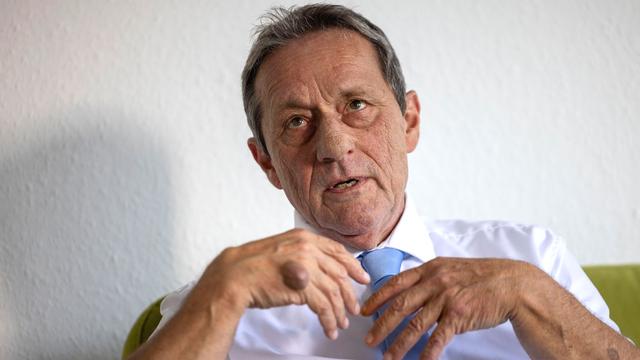
Germany's Interior Minister Nancy Faeser has expressed reservations about implementing permanent border controls at the country's external borders. She stated that such measures are not her preferred solution for managing migration. Faeser emphasized that while temporary checks can be useful in specific situations, a broad, long-term strategy of border controls is not seen as the most effective approach. The minister indicated that Germany is focusing on other methods to address irregular migration. These include strengthening cooperation with countries of origin and transit, as well as improving the efficiency of asylum procedures within Germany. Faeser believes that a comprehensive approach, encompassing both internal and external measures, is necessary to achieve sustainable results. The discussion around border controls often arises in the context of EU-wide migration challenges. Faeser's stance suggests a preference for diplomatic and cooperative solutions over unilateral border enforcement actions.
The German Interior Minister's stance on border controls highlights a recurring tension within the European Union regarding migration management. While some member states advocate for stricter border enforcement, others, like Germany, appear to favor a more cooperative and integrated approach. This divergence reflects differing national priorities, capacities, and philosophical outlooks on sovereignty versus collective responsibility. The minister's emphasis on external cooperation and internal process improvements suggests a long-term strategy aimed at addressing root causes and streamlining existing systems, rather than relying on immediate, potentially less sustainable, border restrictions. This approach acknowledges the complexities of modern migration flows, which often transcend national boundaries and require multilateral solutions, particularly in the context of the Schengen Area's open internal borders.
AI-generated to prompt reflection — not editorial opinion, not advice, not a statement of fact. How this works.