German Labor Market Sees Growing Number of Foreign Agricultural Workers
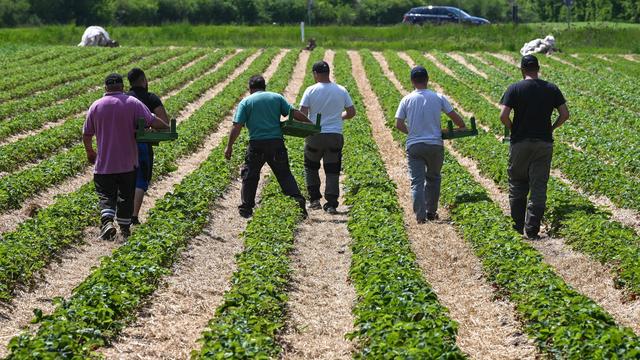
Germany's agricultural sector is increasingly relying on foreign workers to fill seasonal harvesting roles. Data indicates a significant rise in the number of individuals coming from abroad to work on farms across the country. This trend highlights a growing demand for labor that local workers are unable to meet.
These foreign laborers play a crucial role in ensuring the timely harvesting of crops, which is vital for the German agricultural economy. The influx of seasonal workers addresses the specific needs of the agricultural calendar, particularly during peak harvest periods. The trend suggests a structural dependency on international labor for certain segments of the German economy.
The increasing reliance on foreign seasonal agricultural workers in Germany points to a structural labor shortage within the domestic workforce for physically demanding, time-sensitive tasks. This dependency raises questions about the long-term sustainability of German agricultural production models, especially in light of potential geopolitical shifts or changes in immigration policies. Future considerations may involve investments in automation, improved working conditions to attract domestic labor, or strategic international partnerships to ensure a stable labor supply. The economic viability of the sector appears intrinsically linked to the availability and cost of this mobile workforce.
AI-generated to prompt reflection — not editorial opinion, not advice, not a statement of fact. How this works.