German Labor Minister Demands Union's Stance on Early Retirement Without Pension Deductions
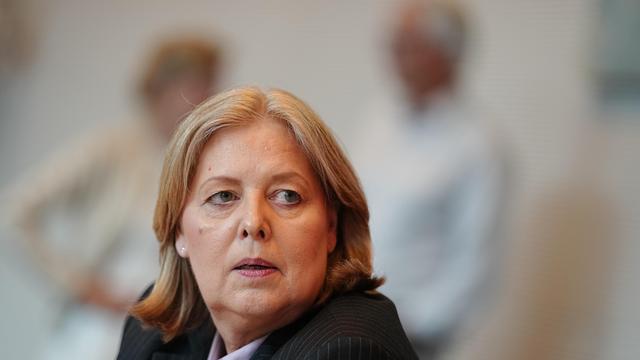
German Federal Minister of Labor, Hubertus Heil, is calling for a clear position from the CDU/CSU Union regarding the continuation of early retirement without pension deductions, often referred to as "Rente mit 63." Currently, there is no unified stance within the Union on whether this policy should be maintained. The debate centers on the financial implications and social desirability of allowing individuals to retire at age 63 without facing reduced pension payments. Minister Heil's demand highlights a political impasse and the need for a definitive answer from the opposition party on this significant social welfare issue. The outcome of this discussion could have considerable impact on Germany's social security system and its long-term financial stability. The "Rente mit 63" policy has been a point of contention, with various political factions offering differing perspectives on its sustainability and fairness.
The call for a clear Union position on the "Rente mit 63" policy underscores a recurring tension in German social policy between early retirement incentives and long-term fiscal sustainability. The debate reflects differing priorities: supporting individuals seeking earlier exit from the workforce versus ensuring the solvency of the pension system for future generations, especially in light of demographic shifts and an aging population. The political maneuvering around this issue highlights the challenge of balancing social equity with economic realities. Future policy decisions will likely need to consider broader economic trends, labor market demands, and the evolving needs of a society increasingly shaped by technological advancements and changing work patterns.
AI-generated to prompt reflection — not editorial opinion, not advice, not a statement of fact. How this works.