German Leader Merz Warns MAGA Against Interfering in European Elections
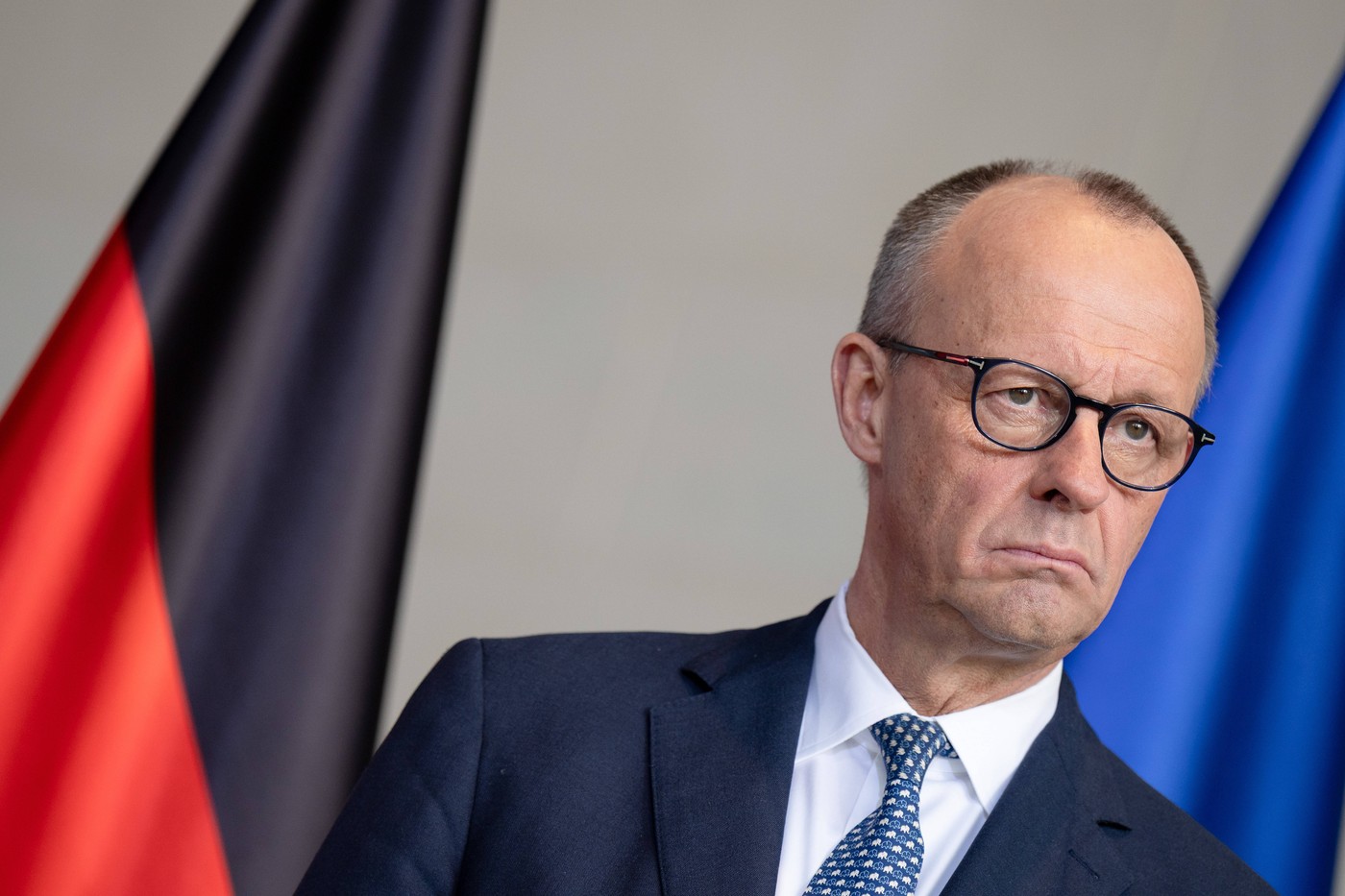
German Chancellor Friedrich Merz has publicly criticized a new funding initiative by the U.S. administration aimed at supporting "freedom of speech and religious freedom" in Europe. The U.S. State Department is allocating nearly $5 million to defend what it terms the "heritage of Western civilization" on the continent. Merz specifically took issue with a $1 million portion of this funding, which he believes could interfere with European electoral processes. The initiative, championed by the administration of former U.S. President Donald Trump, has drawn scrutiny for its potential impact on European politics. Merz's remarks highlight growing concerns among European leaders about foreign influence in their domestic affairs. The program's stated goals are to promote democratic values, but its implementation has raised questions about the U.S.'s role in shaping European political discourse. This situation underscores the ongoing tension between transatlantic allies regarding sovereignty and political interference.
The U.S. State Department's allocation of funds for promoting specific values in Europe, while framed as support for Western civilization and freedoms, presents a complex governance challenge. From a systemic perspective, such initiatives can be interpreted through the lens of geopolitical strategy and the projection of soft power. However, when these funds are directed towards potentially influencing electoral outcomes or political discourse, they raise questions about national sovereignty and the autonomy of democratic processes in recipient countries. The critique from German Chancellor Friedrich Merz suggests a divergence in how transatlantic partners perceive the boundaries of legitimate external engagement. Future considerations for international relations in the digital age will likely involve clearer protocols for transparency and mutual respect regarding internal political affairs, balancing shared values with the imperative of non-interference.
AI-generated to prompt reflection — not editorial opinion, not advice, not a statement of fact. How this works.