German Left Party Seeks Court Block on Controversial Heating Law
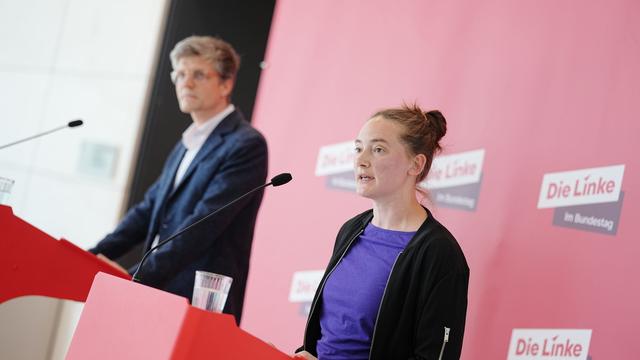
The German Left Party (Die Linke) is taking legal action to temporarily halt the implementation of the government's planned "Heating Law," officially known as the Building Modernization Act. The party aims to prevent the law from taking effect while its constitutionality is reviewed by the courts. This move signals significant political opposition to the legislation, which is a cornerstone of the current government's climate policy. The law mandates significant changes to heating systems in buildings across Germany, with the goal of reducing carbon emissions. Critics, including the Left Party, have raised concerns about the potential economic impact on homeowners and the feasibility of the proposed transition timelines. The party's legal challenge suggests a belief that the law may infringe upon fundamental rights or exceed the government's legislative authority. The outcome of this legal battle could have substantial implications for Germany's climate targets and the pace of its energy transition.
The legal challenge by the Left Party against Germany's Building Modernization Act highlights the complex interplay between climate policy objectives and socio-economic considerations. By seeking a judicial injunction, the party is leveraging the legal system to scrutinize the law's potential impact on citizens' rights and economic burdens. This action underscores the importance of robust public consultation and distributional fairness in enacting sweeping environmental regulations. The case may prompt a broader societal debate on the equitable distribution of costs associated with the energy transition, particularly as Germany navigates the challenges of decarbonization in the coming decade. The court's decision will likely influence future legislative approaches to climate action, emphasizing the need for policies that balance environmental imperatives with social equity and economic feasibility.
AI-generated to prompt reflection — not editorial opinion, not advice, not a statement of fact. How this works.