German Ministry Reports Nearly 5,000 More Ambulance Calls During Heatwave Weekend
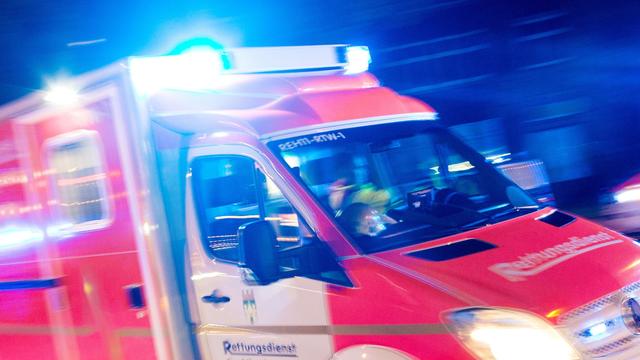
Germany's Ministry of Health has released statistics indicating a significant surge in emergency medical services during a recent heatwave weekend. The data reveals that ambulance services responded to nearly 5,000 more calls than typically recorded for a comparable period. This increase highlights the substantial strain that extreme weather conditions can place on public health infrastructure. The ministry's figures underscore the direct correlation between high temperatures and increased demand for emergency medical assistance. These additional calls likely stemmed from a variety of heat-related illnesses and conditions, such as heatstroke, dehydration, and the exacerbation of pre-existing health problems. The report serves as a critical reminder of the need for preparedness and robust emergency response systems in the face of escalating climate challenges. Further analysis will be required to fully understand the specific types of medical emergencies that drove this increase and to inform future public health strategies.
The surge in ambulance dispatches during the heatwave weekend points to the vulnerability of public health systems to climate-related events. This data suggests that current emergency response capacities may be insufficient to handle the increased demand during extreme weather, a scenario likely to become more frequent. The strain on resources raises questions about proactive public health measures, such as heatwave warnings, cooling centers, and targeted support for vulnerable populations, and their effectiveness. Future planning should consider integrating climate resilience into healthcare infrastructure and emergency protocols to mitigate the impact of rising global temperatures on citizen well-being.
AI-generated to prompt reflection — not editorial opinion, not advice, not a statement of fact. How this works.