German Monopoly Commission Backs Plans for More Rail Competition
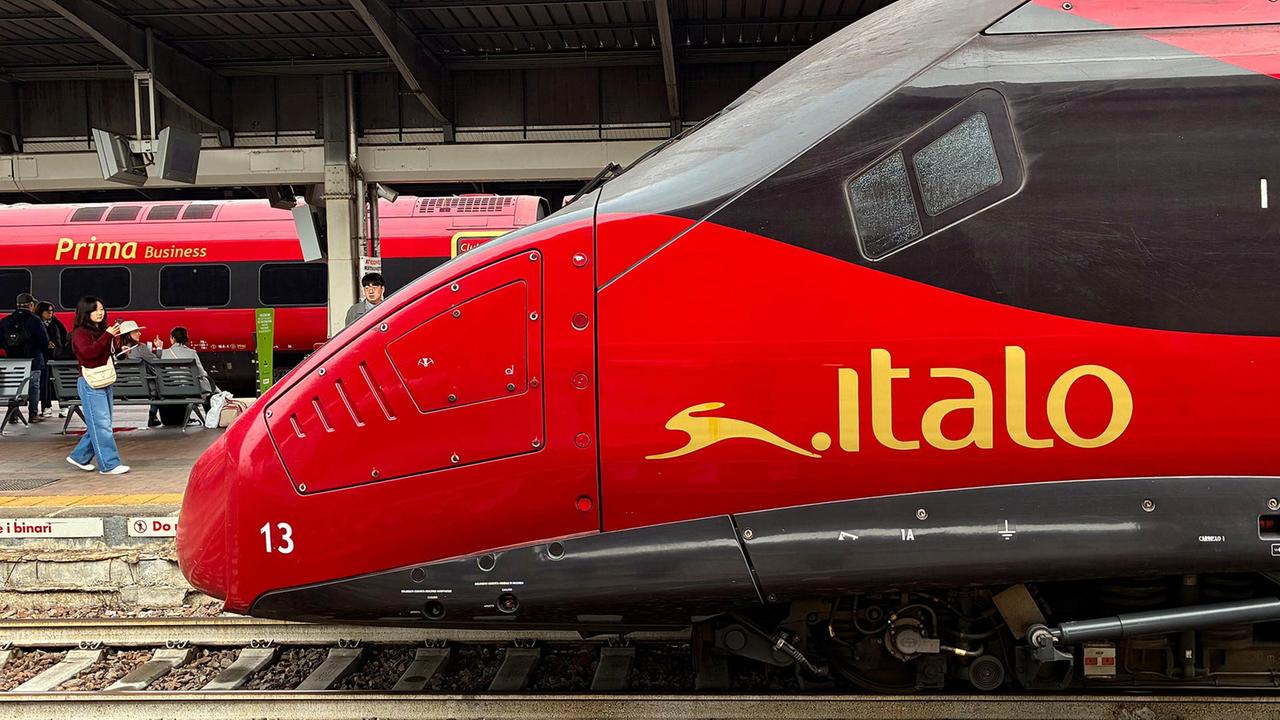
The German Monopoly Commission has expressed support for the Federal Network Agency's initiatives aimed at increasing competition within the long-distance rail transport sector. This backing is seen as a significant step towards potentially opening up the market to more players. However, Federal Transport Minister Schnieder has voiced concerns regarding the potential consequences of this increased competition. He warns that a focus on competition might lead rail operators to concentrate solely on the most profitable routes. This could result in a reduction of services on less lucrative, but potentially essential, lines. The minister's caution highlights a potential trade-off between market liberalization and ensuring comprehensive network coverage across Germany.
The German Monopoly Commission's endorsement of enhanced competition in long-distance rail suggests a policy direction favoring market liberalization. This approach aims to leverage competitive pressures to potentially improve service quality and efficiency. However, Transport Minister Schnieder's cautionary remarks highlight a classic tension in infrastructure regulation: the balance between fostering market dynamism and ensuring universal service obligations. Future policy will need to navigate the incentive structures for private operators to serve both high-demand and low-demand corridors, potentially through regulatory mechanisms or targeted subsidies. The long-term challenge lies in designing a competitive framework that stimulates innovation without creating significant gaps in national transport accessibility, especially as evolving mobility patterns and technological advancements reshape the sector.
AI-generated to prompt reflection — not editorial opinion, not advice, not a statement of fact. How this works.