German Nursing Homes Increase Prices by €300 Annually
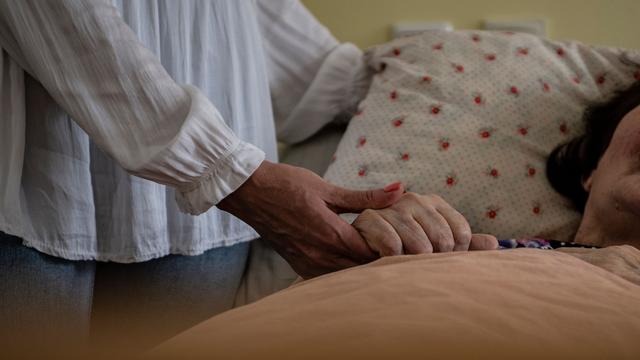
The cost of care in German nursing homes has risen by approximately €300 per person compared to the previous year. This increase reflects the growing financial burden on individuals requiring long-term care and their families. The rising expenses in the care sector are a significant concern for many, impacting affordability and access to necessary services.
This trend highlights the ongoing challenges within Germany's long-term care system. Factors contributing to these cost increases likely include inflation, increased staffing costs, and the general rise in operating expenses for care facilities. As the population ages, the demand for nursing home services is expected to grow, making these price hikes a critical issue for public policy and individual financial planning.
The rising costs of nursing home care in Germany, escalating by approximately €300 annually per individual, signal a growing strain on the long-term care sector. This trend suggests that current funding models and operational efficiencies may be insufficient to absorb rising expenses, potentially driven by demographic shifts, labor costs, and inflation. Policymakers face the challenge of ensuring the affordability and accessibility of essential care services for an aging population, while also supporting the financial sustainability of care providers. Future policy discussions may need to explore innovative funding mechanisms, workforce development strategies, and operational reforms to address these escalating costs and prevent a widening gap between care needs and available resources.
AI-generated to prompt reflection — not editorial opinion, not advice, not a statement of fact. How this works.