German Official Urges Swift Use of Infrastructure Funds for Highway Construction
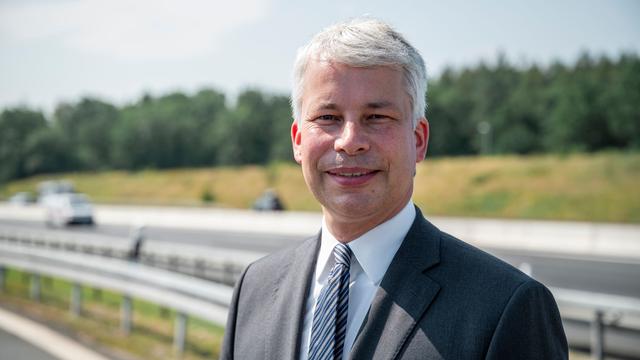
German Parliamentary State Secretary Oliver Wittke has called for the rapid deployment of billions of euros designated for infrastructure projects. Wittke, affiliated with the CDU party, emphasized the need to accelerate the construction of federal highways. He expressed concern that the allocated funds might not be fully utilized if the pace of project initiation and execution does not increase significantly. The push comes amid ongoing debates about Germany's infrastructure needs and the efficiency of public spending in this sector. Wittke's remarks highlight a desire to boost economic activity through construction and improve transportation networks. The specific amount of "infrastructure billions" mentioned refers to funds earmarked for major transportation projects within Germany. The urgency conveyed by Wittke suggests a potential bottleneck in bureaucratic processes or planning stages that needs to be overcome.
The call to rapidly disburse infrastructure funds reflects a common tension between the need for long-term strategic investment and the political imperative for visible, immediate progress. While accelerating construction can stimulate economic activity and address immediate transportation bottlenecks, it also raises questions about long-term planning, environmental impact assessments, and the potential for cost overruns if projects are rushed. The focus on highway construction specifically may indicate a prioritization of traditional transport infrastructure, potentially at the expense of other critical areas like public transit or digital networks, which are increasingly vital for future economic competitiveness and sustainability. This approach could be viewed through the lens of established economic models that favor tangible, large-scale projects, while potentially overlooking the systemic shifts driven by digitalization and climate change mitigation efforts over the next decade.
AI-generated to prompt reflection — not editorial opinion, not advice, not a statement of fact. How this works.
