German Opposition Leader Merz Prioritizes National Interests, Irritating EU Partners
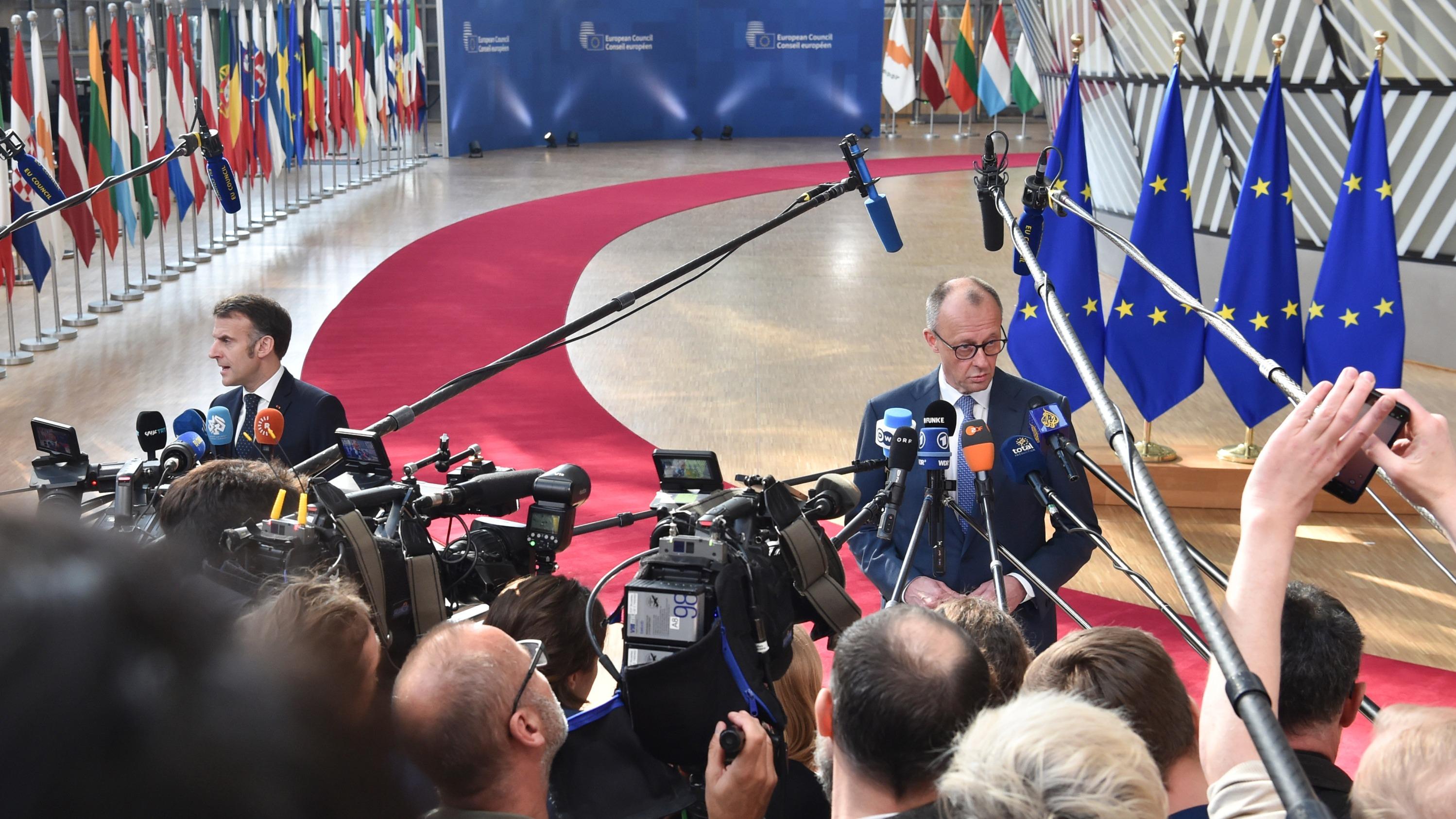
Friedrich Merz, the leader of Germany's opposition party, is reportedly prioritizing his country's national interests over those of its European partners. This approach, despite Germany's increased visibility on European Union matters, is causing friction with other EU leaders. Merz's stance suggests a perception among some that Germany, under his potential future leadership, may not take its French counterparts seriously. The German chancellor's actions are described as irritating his counterparts, indicating a lack of a shared vision for the bloc. This nationalistic focus from Germany risks undermining the collaborative spirit essential for the EU's effective functioning and joint decision-making processes.
The political maneuvering described highlights a recurring tension within the European Union regarding the balance between national sovereignty and collective action. Leaders like Friedrich Merz often articulate a platform that emphasizes national benefit, a strategy that can resonate with domestic electorates but poses challenges for supranational cohesion. This approach, while potentially strengthening Germany's immediate position, risks creating divisions and hindering the EU's capacity to address shared challenges through unified strategies. The long-term implications for European integration depend on whether such nationalistic impulses can be reconciled with the imperative for coordinated policy-making in an increasingly complex global landscape, particularly in the context of evolving geopolitical and economic pressures.
AI-generated to prompt reflection — not editorial opinion, not advice, not a statement of fact. How this works.
