German Parliament Approves Healthcare Savings Package
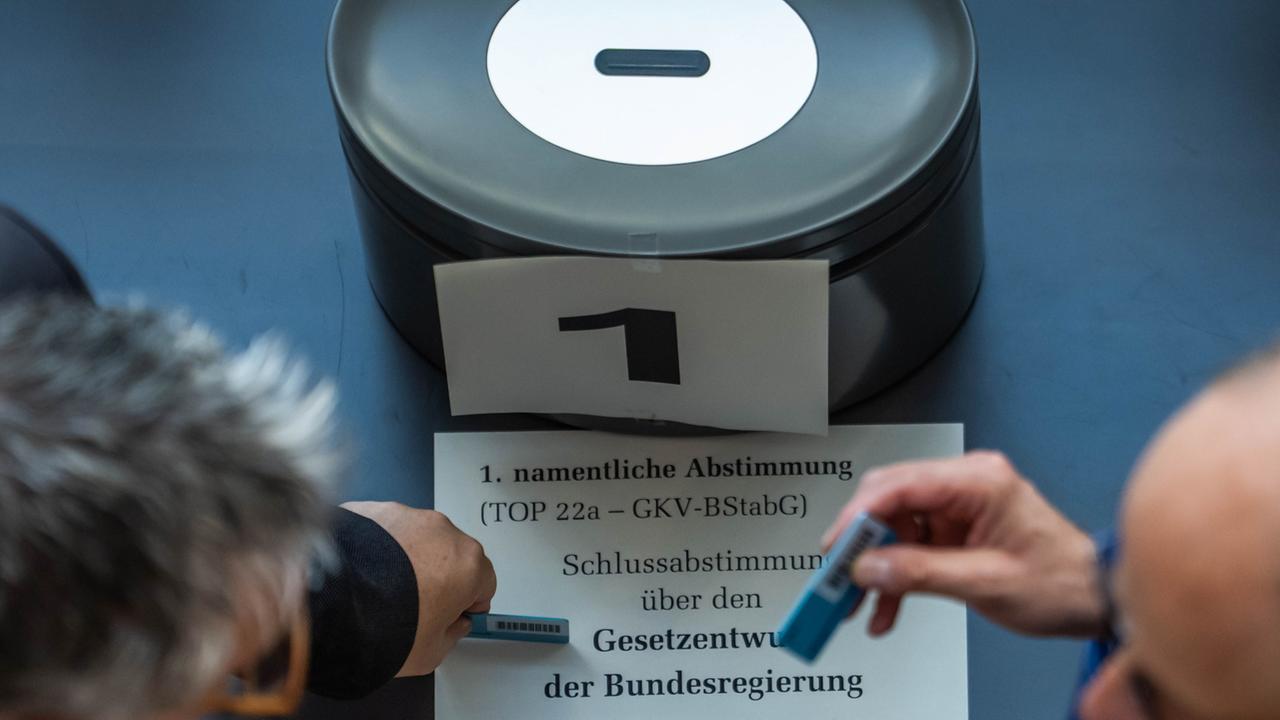
The German Bundestag has voted in favor of a savings package for the statutory health insurance system. The measures aim to prevent increases in insurance contributions by introducing spending brakes and higher co-payments for patients. The Bundesrat, the upper house of parliament representing the federal states, is also expected to vote on the package today. This legislation introduces fiscal constraints on healthcare spending and shifts some of the financial burden onto individuals through increased co-payments. The stated goal is to maintain the stability of the contribution rates for statutory health insurance. The approval by the Bundestag signifies a significant step in the government's efforts to manage the finances of the public healthcare system.
The German government's decision to implement a healthcare savings package, including spending brakes and higher co-payments, reflects a common challenge faced by public healthcare systems globally: balancing fiscal sustainability with service provision. By imposing spending limits and increasing patient contributions, policymakers aim to control rising healthcare costs and prevent future premium hikes. This approach, however, may create tension between the goal of universal access and the financial accessibility of care, potentially impacting lower-income individuals disproportionately. The long-term implications for healthcare innovation and the overall health outcomes of the population warrant careful monitoring as these systemic adjustments unfold.
AI-generated to prompt reflection — not editorial opinion, not advice, not a statement of fact. How this works.