German Parliament Approves New Federal Police Law, Enabling Automated Surveillance
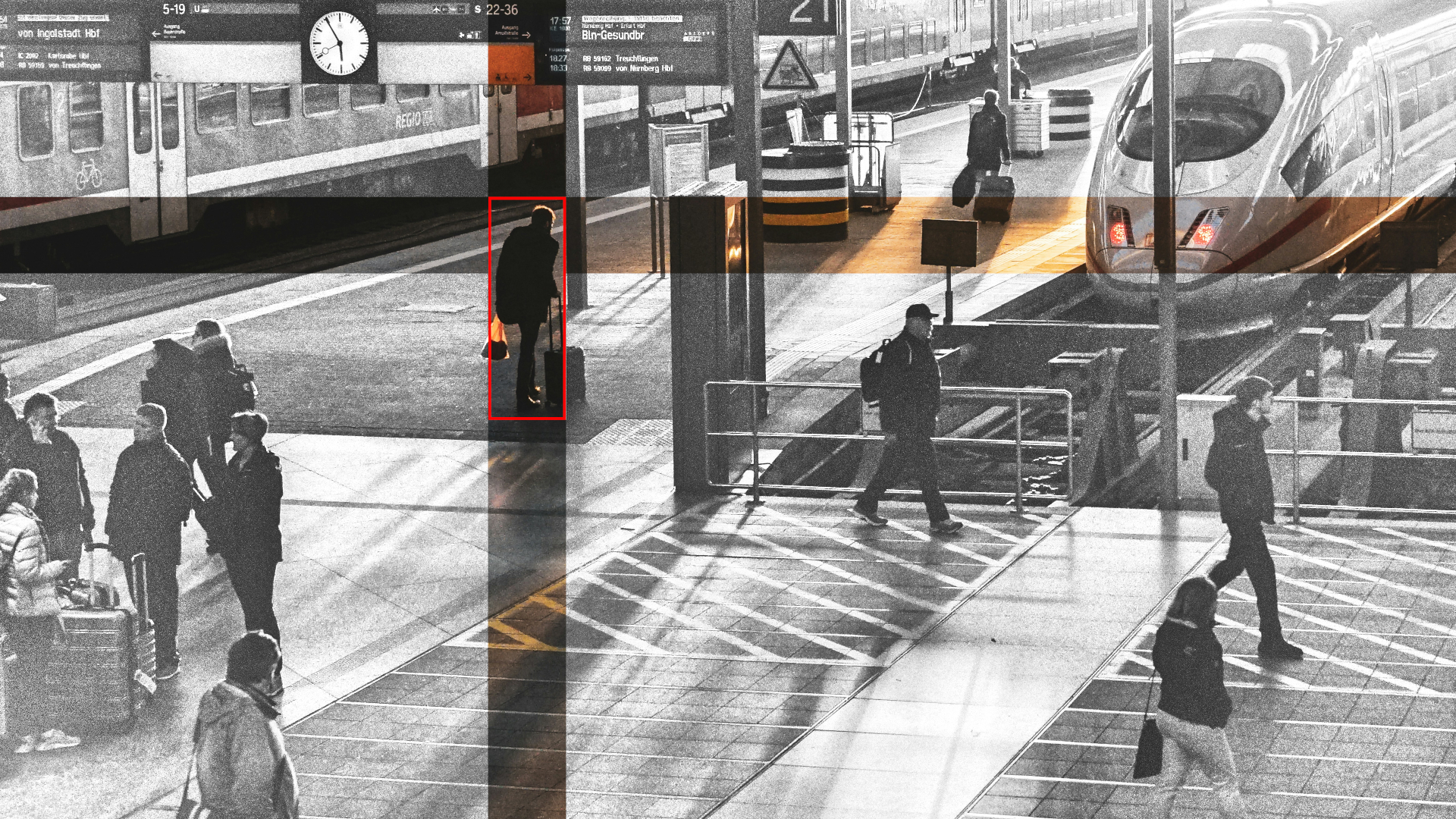
The German Bundestag has passed a new Federal Police Law that introduces the authorization for fully automated video surveillance. This legislation will permit the Federal Police to deploy video monitoring systems at train stations. These systems are designed to identify individuals and analyze their behavior. The passage of this law marks a significant step towards the implementation of advanced AI-powered surveillance tools within Germany. The government intends to introduce further AI surveillance technologies in the near future. This development raises questions about the balance between security and privacy in the digital age. The new law is expected to significantly expand the capabilities of law enforcement in monitoring public spaces. Citizens and civil liberties groups are likely to scrutinize the implications of this expanded surveillance power.
The enactment of Germany's new Federal Police Law, permitting automated video surveillance, signals a proactive embrace of AI in public security. This move reflects a global trend where governments leverage technology to enhance monitoring capabilities, driven by the perceived need for greater efficiency and threat detection. However, the integration of AI for behavioral analysis and identification in public spaces presents inherent trade-offs. It raises critical questions about data privacy, the potential for algorithmic bias, and the expansion of state surveillance power. As these technologies mature, their deployment necessitates robust oversight mechanisms to ensure they are used ethically and proportionately, safeguarding civil liberties while addressing legitimate security concerns. The long-term societal impact will depend on how effectively these systems are governed and how transparent their operation remains.
AI-generated to prompt reflection — not editorial opinion, not advice, not a statement of fact. How this works.