German Pension Debate: Minister Holds Firm on 45-Year Contribution Rule
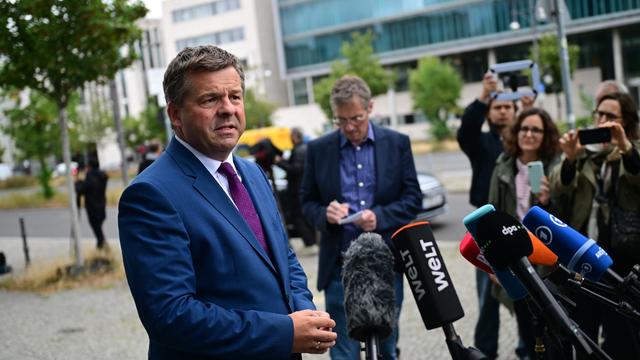
German Labor Minister Hubertus Heil is maintaining his stance on a pension reform that allows individuals to retire after 45 years of contributions, despite ongoing debate. The proposal, which aims to provide an "earned retirement" option, has faced criticism and calls for adjustments from various political factions and stakeholders.
Heil emphasized that the reform is designed to offer a more flexible retirement pathway for those who have worked consistently throughout their careers. The core of the dispute lies in the specific conditions and potential financial implications of this early retirement option. Discussions are ongoing regarding the exact age threshold and any potential impact on the overall sustainability of the pension system. The government is seeking a consensus that balances the desire for earlier retirement with fiscal responsibility.
The German government's proposal for a 45-year contribution pension retirement option highlights a tension between social equity and fiscal sustainability. As demographic shifts continue, policies enabling earlier retirement for long-term workers, while appealing, necessitate careful modeling of long-term financial impacts on the broader pension system. Future policy decisions will likely involve balancing competing interests, considering the evolving labor market and the increasing need for robust social safety nets in an aging society. The success of such reforms hinges on transparent communication and a clear understanding of the trade-offs involved.
AI-generated to prompt reflection — not editorial opinion, not advice, not a statement of fact. How this works.
