German Pension Reform: Schwesig Argues Against 'Retirement at 63' for East Germany
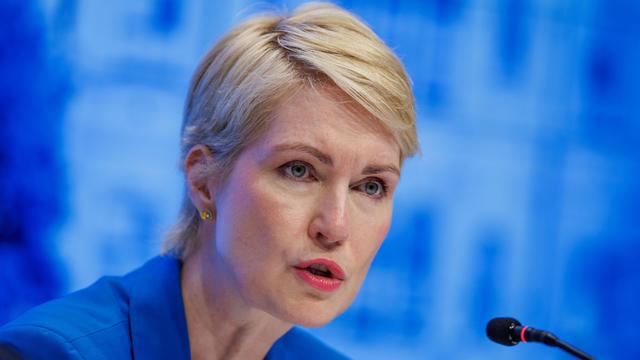
Manuela Schwesig, Minister-President of Mecklenburg-Vorpommern, has stated that the argument against the 'Retirement at 63' policy does not apply to East Germany. She believes that the specific economic and social conditions in the eastern states justify maintaining this option. Schwesig argues that the historical development and labor market challenges in the East differ significantly from those in West Germany, making a blanket policy potentially detrimental. Her stance highlights a regional disparity in the debate surrounding pension reforms. The 'Retirement at 63' policy, which allows individuals to retire without pension deductions after 45 years of contributions, has been a subject of political discussion. Schwesig's intervention suggests a nuanced approach is needed, considering the unique circumstances of reunification and its long-term effects on the East German workforce. She emphasized that the economic integration of East Germany has not yet reached a point where such arguments are universally applicable. Her comments come amid broader discussions about the sustainability of the German pension system.
The debate over Germany's 'Retirement at 63' policy, particularly as articulated by Minister-President Schwesig concerning East Germany, reveals a persistent tension between national policy objectives and regional economic realities. The argument for maintaining the policy in the East, based on historical development and labor market conditions, suggests that a one-size-fits-all approach to pension reform may overlook the lingering structural impacts of German reunification. From a systemic perspective, differing demographic trends and employment structures between East and West could create divergent pressures on the pension system. Future policy design may need to incorporate more granular, region-specific considerations to ensure equitable outcomes and long-term fiscal sustainability, acknowledging that economic convergence is a complex, multi-decade process.
AI-generated to prompt reflection — not editorial opinion, not advice, not a statement of fact. How this works.
