German Plant Approved to Produce Russian-Designed Fuel Rods Amid Political Concerns
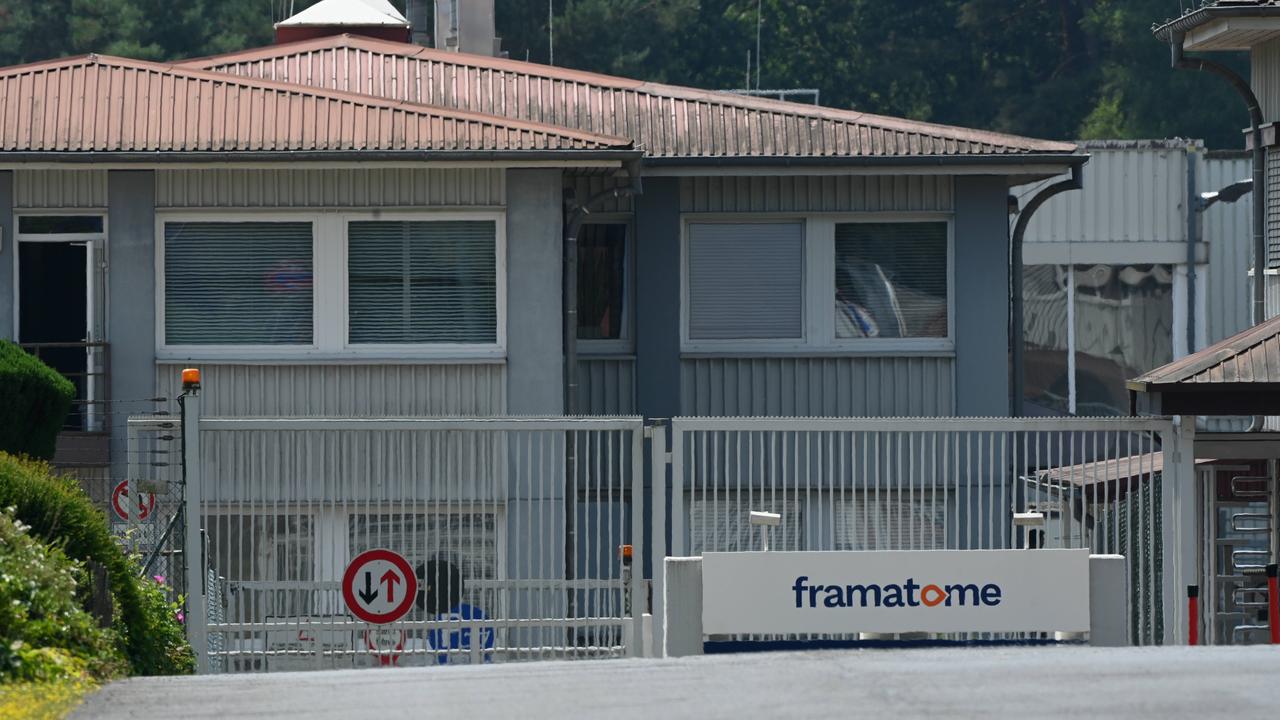
A plant in Lingen, Lower Saxony, Germany, has received approval to produce fuel rods of Russian design. The state's Ministry of the Environment granted permission for the manufacturing process, but with specific conditions attached. This decision has sparked considerable debate and raised numerous concerns within the political sphere. The approval allows for the continuation of operations at the Lingen facility, which will now incorporate the production of these specific types of fuel elements. Despite the environmental ministry's authorization, political figures have voiced significant apprehension regarding the implications of this move. The exact nature of the conditions imposed by the ministry has not been detailed, but they are intended to mitigate potential risks associated with the production. The facility's ability to manufacture fuel rods based on Russian blueprints marks a notable development in the energy sector. However, the political backlash suggests that the decision may face further scrutiny or opposition. The ongoing discussion highlights the complex interplay between energy production needs and political sensitivities in Germany.
The approval for Lingen to produce Russian-designed fuel rods, despite political reservations, highlights a tension between energy security imperatives and geopolitical considerations. While the decision is framed within regulatory compliance and conditional authorization, the underlying political concerns suggest a broader debate about technological dependencies and strategic autonomy. Future policy may need to balance the immediate benefits of established fuel rod production with the long-term risks associated with reliance on designs originating from potentially adversarial nations. This situation prompts reflection on how Germany and the EU will navigate technological sovereignty in critical infrastructure sectors amidst evolving global dynamics, particularly in the context of energy transition and supply chain resilience over the next decade.
AI-generated to prompt reflection — not editorial opinion, not advice, not a statement of fact. How this works.