German President: Economic Growth is Essential for Public Trust
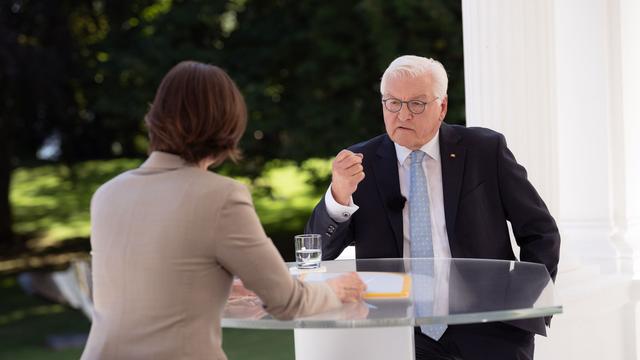
German President Frank-Walter Steinmeier has emphasized that economic growth is a prerequisite for public trust in Germany. He stated that without a robust economy, citizens will not have confidence in the country's future or its political leadership. Steinmeier's remarks came in the context of discussions surrounding a reform package aimed at revitalizing the German economy. He believes that tangible economic progress is necessary to address public concerns and foster a sense of stability. The President's message highlights the interconnectedness of economic performance and societal well-being. He indicated that the proposed reforms are crucial for achieving this necessary growth. The success of these reforms, therefore, is directly linked to the potential for rebuilding and maintaining public faith. Without this foundation, efforts to strengthen other areas of national life may prove insufficient.
The German President's statement underscores a fundamental principle in governance: economic prosperity is often perceived by citizens as a primary indicator of governmental effectiveness and future stability. This perspective suggests that public trust is not merely a matter of policy implementation but is deeply intertwined with tangible economic outcomes. In the context of proposed reforms, the emphasis on growth serves as a critical benchmark for public acceptance and validation. This dynamic highlights a potential systemic challenge: if economic growth falters, public confidence erodes, potentially undermining the legitimacy of reform efforts and political institutions. Looking ahead, the increasing influence of global economic shifts and technological disruption may further complicate the pursuit of consistent national growth, demanding adaptive governance strategies that can maintain public trust even amidst volatility.
AI-generated to prompt reflection — not editorial opinion, not advice, not a statement of fact. How this works.